EXPLORING THE ELSEVIER DATABASE OF THE MOST CITED RESEARCHERS
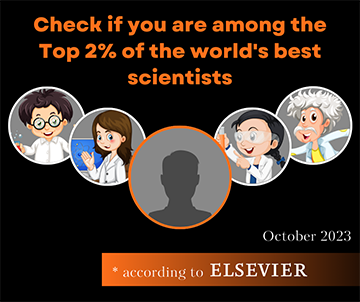
Elsevier has unveiled an openly accessible database spotlighting the world's most cited researchers. This comprehensive resource offers standardized information encompassing citations, Hirsch index, co-authorship-corrected h-index, citations by author position, component indicators (c-score), and details on co-authorship and author positions (sole, first, last author). The focus is on impact (citations) rather than productivity, providing a valuable tool for researchers to gauge their influence in their respective fields.
Key Features of the Database:
-
Version Information:
- This release marks the 6th version of the database.
- It showcases standardized and detailed metrics to assess research impact.
-
Data Coverage:
- The database presents data for the entire career as well as impact in the last year.
- Career data is updated until the end of 2022, while specific data for the last year pertains to citations received during the calendar year 2022.
-
Scientific Fields and Subfields:
- Researchers are categorized into 22 scientific fields and 174 subfields based on the standard Science-Metrix classification.
-
Selection Criteria:
- Scientists featured in the database are selected based on the top 100,000 researchers by the c-score (with and without self-citations) or a percentile rank of 2% or higher in their respective subfields.
-
Data Source:
- Scopus data provided by Elsevier through the ICSR laboratory forms the basis of the calculations.
- The calculations were conducted using all Scopus author profiles as of October 1, 2023.
-
Archival Format:
- The database is published in an archival format and will not be altered.
Important Note:
- If an author is not listed, it indicates that the respective indicator's value was not sufficiently high to appear on the list.
- The absence does not imply subpar work; rather, it signifies the specific metric did not meet the threshold for inclusion.
Researchers are encouraged to explore this database to gain insights into their impact and recognition within their scientific communities. Congratulations to all the researchers featured for their notable contributions!