ENHANCING RESEARCH PAPERS: MAXIMIZING THE IMPACT OF TABLES AND FIGURES
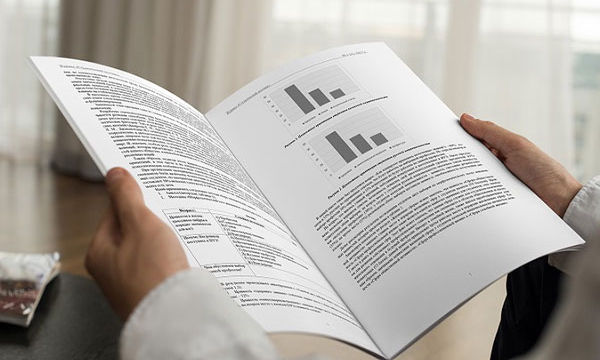
In crafting research papers, leveraging tables and figures is crucial to effectively present complex data. These visual elements serve to streamline information, enhancing readability and comprehension. However, their integration requires careful consideration and adherence to best practices to ensure optimal effectiveness.
Determining the Need for Tables and Figures: When contemplating the inclusion of tables and figures, a key consideration is whether the data can be succinctly conveyed in text alone. If the information cannot be summarized in one or two sentences, tables or figures are warranted.
Utilizing Tables: Tables demand structured organization to facilitate easy comprehension. Essential components include:
- Title: Clear and descriptive, serving as the focal point of the table.
- Column Titles: Simplify data interpretation, guiding the reader sequentially.
- Table Body: Houses numerical or textual data, with a layout that facilitates vertical reading.
Optimizing Figures: Figures, spanning various forms such as graphs, diagrams, or photographs, should prioritize reader comprehension. Key considerations include:
- Figure Captions: Numbered with descriptive titles placed beneath the figure for immediate understanding.
- Image Selection: Opt for simple, visually appealing images that effectively convey the intended message.
- Additional Information: Provide necessary context or legends to aid comprehension.
Avoiding Common Errors: To ensure effective data presentation, beware of common pitfalls:
- Incorrect Figure Selection: Choose figures that align with the data's nature to avoid confusion.
- Attribution Oversight: Properly attribute tables or figures sourced from external references to prevent plagiarism.
Incorporating tables and figures into research papers enhances accessibility and facilitates understanding. By adhering to best practices and steering clear of common errors, researchers can elevate the impact of their work, promoting clarity and engagement among readers.