UNCOVERING DUPLICATE PUBLICATION: A LESSON IN EDITORIAL VIGILANCE
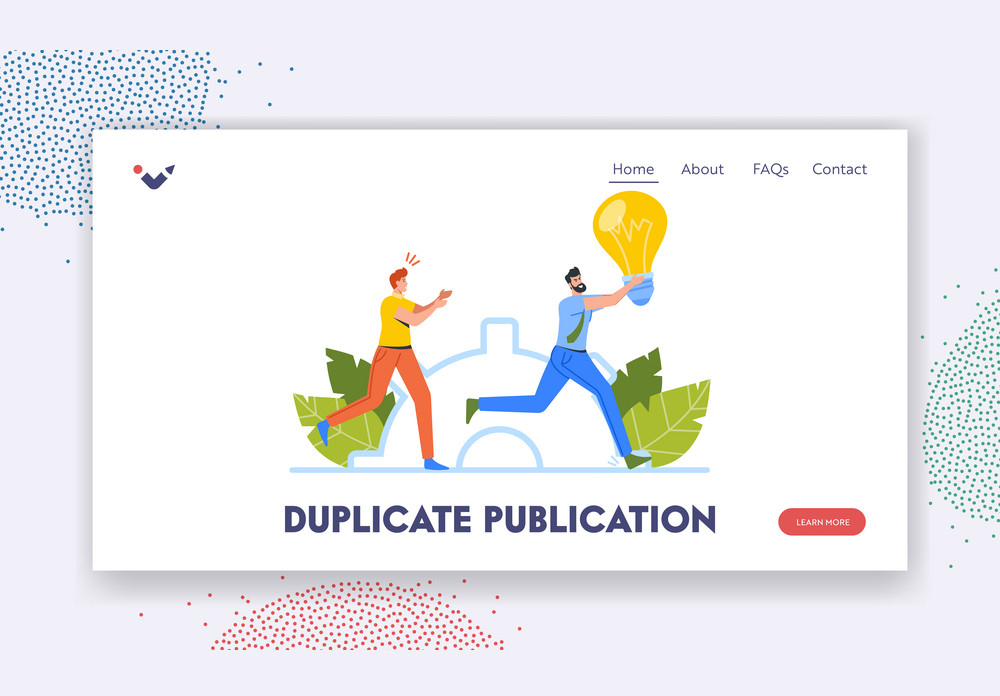
During the review process of a submitted manuscript, a vigilant reviewer brought to the editorial team's attention the discovery of a potential case of duplicate publication. The reviewer, while working on a related manuscript review, stumbled upon four articles not cited by the author under consideration.
Further investigation revealed that the fourth study, published in another journal, approached the subject matter from the exact angle, reported the same data, and presented the information in a strikingly similar manner to the article submitted to the journal. Despite some changes in wording and rearrangement of introductory material, the studies were essentially identical. Notably, the published version provided a more comprehensive explanation of methods, a detailed sample description, and study limitations, which were lacking in the version submitted to the journal.
Following COPE (Committee on Publication Ethics) advice, the editorial team questioned whether the same authors were involved and assessed whether it was a case of plagiarism or duplicate publication. Considering the journal guidelines, the COPE flowchart "Suspected redundant publication in a submitted manuscript" was consulted. The flowchart suggested checking the degree of overlap and, if substantial, contacting the authors for an explanation. In this case, an unsatisfactory response led to the rejection of the paper, accompanied by communication with the authors regarding the decision and the expected ethical conduct.
The editorial board, unanimously recognizing the severity of the situation, decided to report the matter to the author's university academic integrity committee for further review. Subsequently, the author self-reported within the university, participated in a faculty workshop addressing the issue, and provided information to the editor. This information will be incorporated into an upcoming editorial on duplicate publication, contributing to a broader conversation on maintaining the highest standards of academic integrity.
This incident serves as a valuable lesson in editorial vigilance and reinforces the importance of upholding ethical standards within the academic publishing community.