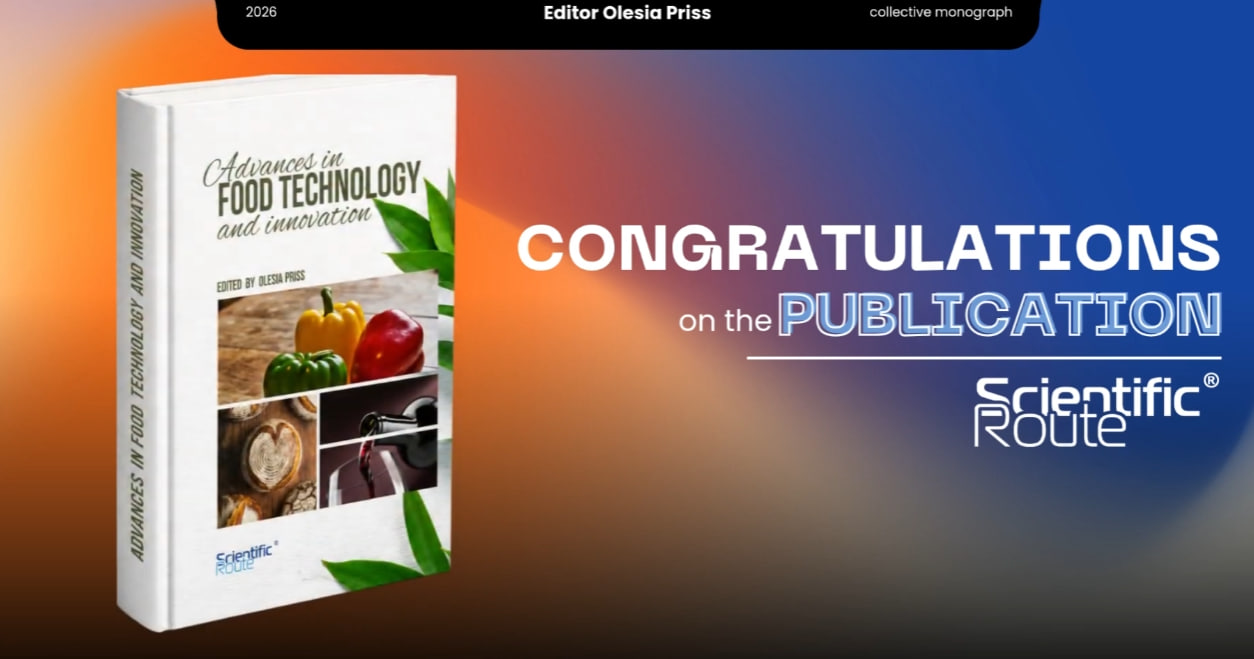
Innovative approaches in food processing and sustainability
Keywords:
granola, gluten-free, pseudo-cereals, freeze-dried fruits, nuts, Jerusalem artichoke syrup, maple syrup, glycemic index, fruit, amount of juice loss, sensory analysis, biochemical indicators, freezing, storage, geometric convolution criteria, corn oil, linseed oil, olive oil, rapeseed oil, sunflower oil, sesame oil, physicochemical properties, organoleptic properties, nutritional value, stabilization, buckwheat, oats, nutrient, chemical composition, functional food, antioxidants, bioactive compounds, GC-MS, XRF, sausage products, rosemary extract, bacterial preparation, sea salt with laminaria, biological value, geese, meat, alfalfa, fatty acids, amino acids, vitamins, lipid peroxidation, meat quality, fruit vegetables, postharvest metabolism, oxidative stress, chilling injury, bioactive substances, heat treatment, storage technologies, combined treatments, pork, feed additive, fatty acid composition, essential fatty acids, ω-3 and ω-6 fatty acids, oxidative spoilage, sweet pepper, long-term storage, moisture content, biochemical composition, sunflower lecithin, lecithin refining, resource-saving technologies, wet gum, color changes in lecithin, deodorization of lecithin, viscosity changes in lecithin, physicochemical properties of lecithin, lecithin quality parameters, asparagus, storage waste, vegetable powder, bread, food product enrichment, sea buckthorn pectin, innovation potential, rheological properties, activation enthalpy and entropy, mechanical stability, deformation parameters, food and pharmaceutical systems, redox potential, blending, functional alcoholic beverage, water-alcohol infusions, antioxidant, tea-aromatic raw materials, Ilex paraguariensis, Camellia sinensis, Citrus spp, hake, vegetable raw materials, cuttlefish ink, red caviarSynopsis
The collective monograph presents a comprehensive overview of modern trends and scientific advancements aimed at improving food quality, nutritional value, and environmental impact. The chapters explore diverse topics such as the development of gluten-free granola technologies for the restaurant sector, optimization strategies for candied cherry production using frozen raw materials, and the enhancement of vegetable oil blends and ice cream with plant-based components. Emphasis is placed on functional foods - buckwheat, oats, and whey derivatives - for health-conscious consumers, as well as innovations in animal feed to improve meat quality. The book also addresses sustainable practices including the use of food industry by-products, like asparagus waste and sea buckthorn pectin, and post-harvest antioxidant protection techniques. These interdisciplinary contributions reflect cutting-edge solutions for advancing food processing technologies with a strong focus on sustainability and functional benefits.
Chapters
-
1-34-3031-5354-7374-9192-112113-145146-161162-177178-194195-217218-238239-257258-284285-317318-352
Downloads
Download data is not yet available.References
Caio, G., Volta, U., Sapone, A., Leffler, D. A., De Giorgio, R., Catassi, C., Fasano, A. (2019). Celiac disease: a comprehensive current review. BMC Medicine, 17(1). https://doi.org/10.1186/s12916-019-1380-z
Kalugina, I., Telegenko, L., Dzyuba, N. (2020). The feijoa granola development with a high iodine content for the restaurant establishments. Food Resources, 8 (15), 102–113. https://doi.org/10.31073/foodresources2020-15-11
Šálková, D., Tichá, L. (2020). Food Intolerance and Customer Behavior Specifics as a Limiting Factor for Travelling. DETUROPE – The Central European Journal of Tourism and Regional Development, 12 (1), 119–135. https://doi.org/10.32725/det.2020.007
Gluten-free Products Market Size, Share & Trend Analysis Report By Product (Bakery Products, Dairy/Dairy Alternatives, Convenience Stores), By Distribution Channel (Online, Specialty Stores), By Region, And Segment Forecasts, 2023–2030. Available at: https://www.grandviewresearch.com/industry-analysis/gluten-free-products-market
Osokina, N., Liubych, V., Novak, L., Pushkarova-Bezdil, T., Priss, O., Verkholantseva, V. et al. (2018). Elucidation of the mechanism that forms breadbaking properties of the spelt grain. Eastern-European Journal of Enterprise Technologies, 2 (11 (92)), 39–47. https://doi.org/10.15587/1729-4061.2018.126372
Langyan, S., Khan, F. N., Kumar, A. (2023). Advancement in Nutritional Value, Processing Methods, and Potential Applications of Pseudocereals in Dietary Food: A Review. Food and Bioprocess Technology, 17 (3), 571–590. https://doi.org/10.1007/s11947-023-03109-x
Sofi, S. A., Ahmed, N., Farooq, A., Rafiq, S., Zargar, S. M., Kamran, F. et al. (2022). Nutritional and bioactive characteristics of buckwheat, and its potential for developing gluten-free products: An updated overview. Food Science & Nutrition, 11 (5), 2256–2276. https://doi.org/10.1002/fsn3.3166
Vidal Torres, E., Valencia, E., Simsek, S., Ramírez, A. M. L. (2024). Amaranth: Multipurpose Agroindustrial Crop. Agronomy, 14 (10), 2323. https://doi.org/10.3390/agronomy14102323
Graziano, S., Agrimonti, C., Marmiroli, N., Gullì, M. (2022). Utilisation and limitations of pseudocereals (quinoa, amaranth, and buckwheat) in food production: A review. Trends in Food Science & Technology, 125, 154–165. https://doi.org/10.1016/j.tifs.2022.04.007
Kaur, H., Shams, R., Dash, K. K., Dar, A. H. (2023). A comprehensive review of pseudo-cereals: Nutritional profile, phytochemicals constituents and potential health promoting benefits. Applied Food Research, 3 (2), 100351. https://doi.org/10.1016/j.afres.2023.100351
Sharififar, F., Ashrafzadeh, A., Kavirimanesh Khanaman, M. (2022). A Review of Natural Peptide Sweeteners. International Journal of Peptide Research and Therapeutics, 28 (6). https://doi.org/10.1007/s10989-022-10464-4
Saraiva, A., Carrascosa, C., Ramos, F., Raheem, D., Lopes, M., Raposo, A. (2022). Maple Syrup: Chemical Analysis and Nutritional Profile, Health Impacts, Safety and Quality Control, and Food Industry Applications. International Journal of Environmental Research and Public Health, 19 (20), 13684. https://doi.org/10.3390/ijerph192013684
Méndez-Yáñez, A., Ramos, P., Morales-Quintana, L. (2022). Human Health Benefits through Daily Consumption of Jerusalem Artichoke (Helianthus tuberosus L.) Tubers. Horticulturae, 8 (7), 620. https://doi.org/10.3390/horticulturae8070620
Montenegro, M. M., Grzona, L. M., Carrizo Flores, R. (2024). Effect of Jerusalem artichoke syrup (Helianthus tuberosus L.) on the properties of fermented vegetable beverages. Revista de Ciencia y Tecnología, 41, 27–34. https://doi.org/10.36995/j.recyt.2024.41.004
Paziuk, V., Husarova, O., Bandura, V., Fialkovska, L. (2024). Intensification of apple drying using convective and combined methods of dehydration. INMATEH Agricultural Engineering, 72 (1), 173–182. https://doi.org/10.35633/inmateh-72-16
Donno, D., Neirotti, G., Fioccardi, A., Razafindrakoto, Z. R., Tombozara, N., Mellano, M. G. et al. (2025). Freeze-Drying for the Reduction of Fruit and Vegetable Chain Losses: A Sustainable Solution to Produce Potential Health-Promoting Food Applications. Plants, 14 (2), 168. https://doi.org/10.3390/plants14020168
Serdyuk, M., Stepanenko, D., Baiberova, S., Gaprindashvili, N., Kulik, A. (2016). Substantiaton of selecting the method of pre-cooling of fruits. Eastern-European Journal of Enterprise Technologies, 4 (11 (82)), 62–68. https://doi.org/10.15587/1729-4061.2016.76235
Ivanova, I., Serdyuk, M., Malkina, V., Tymoshchuk, T., Vorovka, M., Mrynskyi, I., Adamovych, A. (2022). Studies of the impact of environmental conditions and varietal features of sweet cherry on the accumulation of vitamin C in fruits by using the regression analysis method. Acta Agriculturae Slovenica, 118 (2). https://doi.org/10.14720/aas.2022.118.2.2404
Kiurcheva, L., Holiachuk, S. (2024). The advantages of using sublimation for preserving the antioxidant properties of cranberries. Food Technology Progressive Solutions. Tallinn: Scientific Route OÜ, 28–46. https://doi.org/10.21303/978-9916-9850-4-5.ch2
William, D. A., Armel, A. A. J., Fabien, D. D. F., Inocent, G. (2023). Effect of bleaching and fermentation on the physico-chemical, pasting properties and bread baking performance of various gluten free flour. Measurement: Food, 9, 100073. https://doi.org/10.1016/j.meafoo.2022.100073
Petcu, C. D., Tăpăloagă, D., Mihai, O. D., Gheorghe-Irimia, R.-A., Negoiță, C., Georgescu, I. M. et al. (2023). Harnessing Natural Antioxidants for Enhancing Food Shelf Life: Exploring Sources and Applications in the Food Industry. Foods, 12 (17), 3176. https://doi.org/10.3390/foods12173176
Erdoğan, S. L., Çetintaş, Y., Tekgül Barut, Y., Süfer, Ö., Çalışkan Koç, G., Yüksel, A. N. (2024). Exploring the chemical composition of granola formulated with different sweeteners and produced via oven and microwave baking. Journal of Food Science, 89 (10), 6455–6464. https://doi.org/10.1111/1750-3841.17364
Priss, O., Pugachov, M., Pugachov, V., Yaremko, I., Shchabelska, V. (2023). The development of the world economy and the impact of the global food crisis 2022-2023. Economic Affairs, 68 (1s), 35–42. https://doi.org/10.46852/0424-2513.1s.2023.5
Michel, M., Eldridge, A. L., Hartmann, C., Klassen, P., Ingram, J., Meijer, G. W. (2024). Benefits and challenges of food processing in the context of food systems, value chains and sustainable development goals. Trends in Food Science & Technology, 153, 104703. https://doi.org/10.1016/j.tifs.2024.104703
Hutsol, T., Priss, O., Ivanova, I., Serdyuk, M., Cupiał, M., Tymoshchuk, T. et al. (2024). Effectiveness of cooling methods in reducing losses during cherry storage. Agricultural Engineering, 28 (1), 321–340. https://doi.org/10.2478/agriceng-2024-0020
Kocabıyık, B., Alkan, D. (2025). Effect of the production of dried fruit and fruit chips on chemical, sensory and bioactive properties. Exploration of Foods and Foodomics, 3. https://doi.org/10.37349/eff.2025.101077
Ziv, C., Fallik, E. (2021). Postharvest storage techniques and quality evaluation of fruits and vegetables for reducing food loss. Agronomy, 11 (6), 1133. https://doi.org/10.3390/agronomy11061133
Wenzel, P. M., Mühlen, M., Radgen, P. (2023). Free cooling for saving energy: technical market analysis of dry, wet, and hybrid cooling based on manufacturer data. Energies, 16 (9), 3661. https://doi.org/10.3390/en16093661
Znachek, R., Stateva, M., Mardar, M., Cherevata, T. (2017). Marketing environment analysis and competitiveness assessment of new products of high nutritional value. International Scientific Journal "Internauka". Series: "Economic Sciences", 8 (40). https://doi.org/10.25313/2520-2294-2020-8-6237
Prichko, T., Droficheva, N. (2021). The influence of varietal characteristics on the quality indicators of candied fruits from plum fruits. Potravinarstvo Slovak Journal of Food Sciences, 15, 891–900. https://doi.org/10.5219/1597
Zhao, H., Shu, C., Fan, X., Cao, J., Jiang, W. (2018). Near-freezing temperature storage prolongs storage period and improves quality and antioxidant capacity of nectarines. Scientia Horticulturae, 228, 196–203. https://doi.org/10.1016/j.scienta.2017.10.032
Ivanova, I., Tymoshchuk, T., Kravchuk, M., Ishchenko, I., Kryvenko, A. (2023). Sensory evaluation of sweet cherries for sustainable fruit production in the European market. Scientific Horizons, 26 (10), 93–106. https://doi.org/10.48077/scihor10.2023.93
Vasylyshina, O., Postolenko, Y. (2019). Influence of variety characteristics on the quality of frozen cherry fruit. Scientific Horizons, 2 (75), 44–49. https://doi.org/10.33249/2663-2144-2019-75-2-44-49
Sokół-Łętowska, A., Kucharska, A. Z., Hodun, G., Gołba, M. (2020). Chemical composition of 21 cultivars of sour cherry (prunus cerasus) fruit cultivated in Poland. Molecules, 25 (19), 4587. https://doi.org/10.3390/molecules25194587
Viljevac Vuletić, M, Dugalić, K., Mihaljević, I., Tomaš, V., Vuković, D., Zdunić, Z. et al. (2017). Season, location and cultivar influence on bioactive compounds of sour cherry fruits. Plant, Soil and Environment, 63 (9), 389–395. https://doi.org/10.17221/472/2017-pse
Vasylyshyna, O. (2019). Application of multicriteria optimization method to select the best varieties of frozen cherry fruit. Scientific Horizons, 80 (7), 70–74. https://doi.org/10.33249/2663-2144-2019-80-7-70-74
Aulin, V., Rogovskii, I., Lyashuk, O., Titova, L., Hrynkiv, A., Mironov, D. et al. (2024). Comprehensive assessment of technical condition of vehicles during operation based on Harrington's desirability function. Eastern-European Journal of Enterprise Technologies, 1 (3 (127)), 37–46. https://doi.org/10.15587/1729-4061.2024.298567
Vasylyshyna, O. V. (2020). Optimization effectiveness of freezing of cherry fruits the Harrington method. Bulletin of Uman National University of Horticulture, 1, 85–89. https://doi.org/10.31395/2310-0478-2020-1-85-89
Vural, N., Algan-Cavuldak, Ö., Akay, M. A. (2024). Desirability function approach for the optimization of hydroalcoholic solvent extraction conditions for antioxidant compounds from olive leaves. Anais Da Academia Brasileira de Ciências, 96 (1). https://doi.org/10.1590/0001-3765202420230602
Ivanova, I., Kryvonos, I., Shleina, L., Taranenko, G., Gerasko, T. (2019). Multicriteria optimization of quality indicators of sweet cherry fruits of Ukrainian selection during freezing and storage. Modern Development Paths of Agricultural Production. Cham: Springer, 707–717. https://doi.org/10.1007/978-3-030-14918-5_69
Corneanu, M., Iurea, E., Sîrbu, S. (2020). Biological properties and fruit quality of sweet cherry (Prunus avium L.) cultivars from Romanian assortment. Agronomy Research, 18 (4), 2353–2364. https://doi.org/10.15159/AR.20.231
Yin, M., Chen, M., Yanagisawa, T., Matsuoka, R., Xi, Y., Tao, N., Wang, X. (2022). Physical properties, chemical composition, and nutritional evaluation of common salad dressings. Frontiers in Nutrition, 9. https://doi.org/10.3389/fnut.2022.978648
Akcicek, A., Yildirim, R. M., Tekin-Cakmak, Z. H., Karasu, S. (2022). Low-Fat Salad Dressing as a Potential Probiotic Food Carrier Enriched by Cold-Pressed Tomato Seed Oil By-Product: Rheological Properties, Emulsion Stability, and Oxidative Stability. ACS Omega, 7 (51), 48520–48530. https://doi.org/10.1021/acsomega.2c06874
Tekin-Cakmak, Z. H., Atik, I., Karasu, S. (2021). The Potential Use of Cold-Pressed Pumpkin Seed Oil By-Products in a Low-Fat Salad Dressing: The Effect on Rheological, Microstructural, Recoverable Properties, and Emulsion and Oxidative Stability. Foods, 10 (11), 2759. https://doi.org/10.3390/foods10112759
Fats and fatty acids in human nutrition. Report of an expert consultation. FAO Food and Nutrition Paper, 91 (2010). Rome: Food and Agriculture Organization of the United Nations.
Hashempour-Baltork, F., Torbati, M., Azadmard-Damirchi, S., Savage, G. P. (2016). Vegetable oil blending: A review of physicochemical, nutritional and health effects. Trends in Food Science & Technology, 57, 52–58. https://doi.org/10.1016/j.tifs.2016.09.007
Simopoulos, A. P. (2010). The omega-6/omega-3 fatty acid ratio: health implications. Oléagineux, Corps Gras, Lipides, 17 (5), 267–275. https://doi.org/10.1051/ocl.2010.0325
Saini, R. K., Keum, Y.-S. (2018). Omega-3 and omega-6 polyunsaturated fatty acids: Dietary sources, metabolism, and significance – A review. Life Sciences, 203, 255–267. https://doi.org/10.1016/j.lfs.2018.04.049
Halvorsen, B. L., Blomhoff, R. (2011). Determination of lipid oxidation products in vegetable oils and marine omega-3 supplements. Food & Nutrition Research, 55 (1), 5792. https://doi.org/10.3402/fnr.v55i0.5792
Rafiq, M., Lv, Y. Z., Zhou, Y., Ma, K. B., Wang, W., Li, C. R., Wang, Q. (2015). Use of vegetable oils as transformer oils – a review. Renewable and Sustainable Energy Reviews, 52, 308–324. https://doi.org/10.1016/j.rser.2015.07.032
Otunola, G. A., Adebayo, G. B., Olufemi, O. G. (2009). Evaluation of some physicochemical parameters of selected brands of vegetable oils sold in Ilorin metropolis. International Journal of Physical Sciences, 4 (5), 327–329.
Guillaume, C., De Alzaa, F., Ravetti, L. (2018). Evaluation of chemical and physical changes in different commercial oils during heating. Acta Scientific Nutritional Health, 2 (6), 2–11.
Yang, R., Zhang, L., Li, P., Yu, L., Mao, J., Wang, X., Zhang, Q. (2018). A review of chemical composition and nutritional properties of minor vegetable oils in China. Trends in Food Science & Technology, 74, 26–32. https://doi.org/10.1016/j.tifs.2018.01.013
Chowdhury, K., Banu, L., Khan, S., Latif, A. (1970). Studies on the Fatty Acid Composition of Edible Oil. Bangladesh Journal of Scientific and Industrial Research, 42 (3), 311–316. https://doi.org/10.3329/bjsir.v42i3.669
Marongui, B., Özcan, M. M., Rosa, A., Dessi, M. A., Piras, A., AlJuhaimi, F. (2015). Monitoring of the fatty acid compositions of some olive oils. La Rivista Itaiana Dee Sostanze Grasse, 92, 39–42.
Sakhno, L. O. (2010). Variability in the fatty acid composition of rapeseed oil: Classical breeding and biotechnology. Cytology and Genetics, 44 (6), 389–397. https://doi.org/10.3103/s0095452710060101
Kostik, V., Memeti, S., Bauer, B. (2013). Fatty acid composition of edible oils and fats. Journal of Hygienic Engineering and Design, 4, 112–116.
Djuricic, I., Calder, P. C. (2021). Beneficial Outcomes of Omega-6 and Omega-3 Polyunsaturated Fatty Acids on Human Health: An Update for 2021. Nutrients, 13 (7), 2421. https://doi.org/10.3390/nu13072421
Takić, M., Ranković, S., Girek, Z., Pavlović, S., Jovanović, P., Jovanović, V., Šarac, I. (2024). Current Insights into the Effects of Dietary α-Linolenic Acid Focusing on Alterations of Polyunsaturated Fatty Acid Profiles in Metabolic Syndrome. International Journal of Molecular Sciences, 25 (9), 4909. https://doi.org/10.3390/ijms25094909
Nykter, M., Kymäläinen, H.-R., Gates, F. (2008). Quality characteristics of edible linseed oil. Agricultural and Food Science, 15 (4), 402–413. https://doi.org/10.2137/145960606780061443
Tian, M., Bai, Y., Tian, H., Zhao, X. (2023). The Chemical Composition and Health-Promoting Benefits of Vegetable Oils – A Review. Molecules, 28 (17), 6393. https://doi.org/10.3390/molecules28176393
Barrera-Arellano, D., Badan-Ribeiro, A. P., Serna-Saldivar, S. O. (2019). Corn oil: composition, processing, and utilization. Corn, 2019, 593–613. https://doi.org/10.1016/b978-0-12-811971-6.00021-8
Demirbas, A. (2008). Relationships derived from physical properties of vegetable oil and biodiesel fuels. Fuel, 87 (8-9), 1743–1748. https://doi.org/10.1016/j.fuel.2007.08.007
Apetrei, C., Apetrei, I. M. (2015). Chemical composition of corn oil. In: Corn and Coconut Oil. Nova Science Publishers, Inc.
Langyan, S., Yadava, P., Khan, F. N., Sharma, S., Singh, R., Bana, R. S. et al. (2023). Trends and advances in pre- and post-harvest processing of linseed oil for quality food and health products. Critical Reviews in Food Science and Nutrition, 65 (4), 746–769. https://doi.org/10.1080/10408398.2023.2280768
Tripathi, V., Abidi, A. B., Marker, S., Bilal, S. (2013). Linseed and linseed oil: health benefits – A review. International Journal of Pharmacy and Biological Sciences, 3 (3), 434–442.
Zuk, M., Richter, D., Matuła, J., Szopa, J. (2015). Linseed, the multipurpose plant. Industrial Crops and Products, 75, 165–177. https://doi.org/10.1016/j.indcrop.2015.05.005
Hashempour-Baltork, F., Torbati, M., Azadmard-Damirchi, S., Peter Savage, G. (2018). Chemical, Rheological and Nutritional Characteristics of Sesame and Olive Oils Blended with Linseed Oil. Advanced Pharmaceutical Bulletin, 8 (1), 107–113. https://doi.org/10.15171/apb.2018.013
Rabail, R., Shabbir, M. A., Sahar, A., Miecznikowski, A., Kieliszek, M., Aadil, R. M. (2021). An Intricate Review on Nutritional and Analytical Profiling of Coconut, Flaxseed, Olive, and Sunflower Oil Blends. Molecules, 26 (23), 7187. https://doi.org/10.3390/molecules26237187
Genovese, A., Caporaso, N., Sacchi, R. (2021). Flavor Chemistry of Virgin Olive Oil: An Overview. Applied Sciences, 11 (4), 1639. https://doi.org/10.3390/app11041639
Carrasco-Pancorbo, A., Cerretani, L., Bendini, A., Segura-Carretero, A., Gallina-Toschi, T., Fernández-Gutiérrez, A. (2005). Analytical determination of polyphenols in olive oils. Journal of Separation Science, 28 (9-10), 837–858. https://doi.org/10.1002/jssc.200500032
Shen, J., Liu, Y., Wang, X., Bai, J., Lin, L., Luo, F., Zhong, H. (2023). A Comprehensive Review of Health-Benefiting Components in Rapeseed Oil. Nutrients, 15 (4), 999. https://doi.org/10.3390/nu15040999
Vasylkovska, K., Andriienko, O., Vasylkovskyi, O., Andriienko, A., Volodymyr, P., Malakhovska, V. (2021). Dynamics of export potential of sun-flower oil in Ukraine. Helia, 44 (74), 115–123. https://doi.org/10.1515/helia-2021-0001
Nakonechna, K., Ilko, V., Berčíková, M., Vietoris, V., Panovská, Z., Doležal, M. (2024). Nutritional, Utility, and Sensory Quality and Safety of Sunflower Oil on the Central European Market. Agriculture, 14 (4), 536. https://doi.org/10.3390/agriculture14040536
Ye, S., Lu, H. (2021). Determination of Fatty Acids in Rice Oil by Gas Chromatography – Mass Spectrometry (GC–MS) with Geographic and Varietal Discrimination by Supervised Orthogonal Partial Least Squares Discriminant Analysis (OPLS-DA). Analytical Letters, 55 (5), 675–687. https://doi.org/10.1080/00032719.2021.1960361
Fakhri, N. A., Qadir, H. K. (2011). Studies on various physico-chemical characteristics of some vegetable oils. Journal of Environmental Science and Engineering, 5 (7), 844–849.
Beema, N., Mukkamula, N., Mothuku, S., Thumu, R., Azmeera, T., Biman, K. K. (2022). Comparative analysis of physico-chemical properties and fatty acid composition of linseed (Linum usitatissimum L.) oils of Indian accessions. Journal of Applied Biology & Biotechnology, 11 (1), 80–87. https://doi.org/10.7324/jabb.2023.110112
Zhang, W., Li, N., Feng, Y., Su, S., Li, T., Liang, B. (2015). A unique quantitative method of acid value of edible oils and studying the impact of heating on edible oils by UV–Vis spectrometry. Food Chemistry, 185, 326–332. https://doi.org/10.1016/j.foodchem.2015.04.005
Ichu, C. B., Nwakanma, H. O. (2019). Comparative Study of the physicochemical characterization and quality of edible vegetable oils. International Journal of Research in Informative Science Application & Techniques, 3 (2), 19321–19329. https://doi.org/10.46828/ijrisat.v3i2.56
Ghohestani, E., Tashkhourian, J., Hemmateenejad, B. (2023). Colorimetric determination of peroxide value in vegetable oils using a paper based analytical device. Food Chemistry, 403, 134345. https://doi.org/10.1016/j.foodchem.2022.134345
Vidrih, R., Vidakovič, S., Abramovič, H. (2010). Biochemical parameters and oxidative resistance to thermal treatment of refined and unrefined vegetable edible oils. Czech Journal of Food Sciences, 28 (5), 376–384. https://doi.org/10.17221/202/2008-cjfs
Goff, H. D., Hartel, R. W. (2013). Ice Cream. London: Springer US. https://doi.org/10.1007/978-1-4614-6096-1
Huppertz, T., Kelly, A. L.; Fox, P., McSweeney, P. (Eds.) (2006). Physical Chemistry of Milk Fat Globules. Advanced Dairy Chemistry. New York: Springer, 173–212. https://doi.org/10.1007/0-387-28813-9_5
Wang, W., Wang, M., Xu, C., Liu, Z., Gu, L., Ma, J. et al. (2022). Effects of Soybean Oil Body as a Milk Fat Substitute on Ice Cream: Physicochemical, Sensory and Digestive Properties. Foods, 11 (10), 1504. https://doi.org/10.3390/foods11101504
Trivana, L., Suyatma, N. E., Huunaefi, D., Munarso, S. J., Pradhana, A. Y., Rindengan, B. (2023). Physicochemical and Rheology Properties of Ice Cream Prepared from Sunflower Oil and Virgin Coconut Oil. Coconut Research & Development, 39, 1–9. https://doi.org/10.37833/cord.v39i.452
Choo, S. Y., Leong, S. K., Henna Lu, F. S. (2010). Physicochemical and Sensory Properties of Ice-cream Formulated with Virgin Coconut Oil. Food Science and Technology International, 16 (6), 531–541. https://doi.org/10.1177/1082013210367546
Ropciuc, S., Ghinea, C., Leahu, A., Prisacaru, A. E., Oroian, M. A., Apostol, L. C., Dranca, F. (2024). Development and Characterization of New Plant-Based Ice Cream Assortments Using Oleogels as Fat Source. Gels, 10 (6), 397. https://doi.org/10.3390/gels10060397
Akca, S., Akpinar, A. (2021). The Effects of Grape, pomegranate, Sesame Seed Powder and Their Oils on Probiotic Ice Cream: Total phenolic contents, antioxidant activity and probiotic viability. Food Bioscience, 42, 101203. https://doi.org/10.1016/j.fbio.2021.101203
Güven, M., Kalender, M., Taşpinar, T. (2018). Effect of Using Different Kinds and Ratios of Vegetable Oils on Ice Cream Quality Characteristics. Foods, 7 (7), 104. https://doi.org/10.3390/foods7070104
Ayudiarti, D. L., Suryanti, Oktavia, D. A. (2020). The Effect of Different Types and Gelatin Concentrations on Ice Cream Quality. E3S Web of Conferences, 147, 03026. https://doi.org/10.1051/e3sconf/202014703026
Javidi, F., Razavi, S. M. A., Behrouzian, F., Alghooneh, A. (2016). The influence of basil seed gum, guar gum and their blend on the rheological, physical and sensory properties of low fat ice cream. Food Hydrocolloids, 52, 625–633. https://doi.org/10.1016/j.foodhyd.2015.08.006
Reyad, Sh., Sheet, B. S. (2022). Sesame oil, properties and advantages. The Future of Biology, 1, 1–9. https://doi.org/10.37229/fsa.fjb.2022.03.15
Dunford, N. T. (2021). Sesame Seed Oil Properties. OSU Extension. Available at: https://extension.okstate.edu/fact-sheets/sesame-seed-oil-properties.html
Piłat, B., Zadernowski, R. (2010). Physicochemical Characteristics of Linseed Oil and Flour. Polish Journal of Natural Science, 25 (1), 106–113. https://doi.org/10.2478/v10020-010-0008-8
Petraru, A., Ursachi, F., Amariei, S. (2021). Nutritional Characteristics Assessment of Sunflower Seeds, Oil and Cake. Perspective of Using Sunflower Oilcakes as a Functional Ingredient. Plants, 10 (11), 2487. https://doi.org/10.3390/plants10112487
Gondkar, A. A., Gm, T., Mahesh, B. (2023). Estimation And Comparison Of Physical And Chemical Properties Of Different Brands Of Sunflower Oil. International Journal of Engineering Technology and Management Sciences, 7 (6), 297–308.
Asres, A. M., Woldemariam, H. W., Gemechu, F. G. (2022). Physicochemical and sensory properties of ice cream prepared using sweet lupin and soymilk as alternatives to cow milk. International Journal of Food Properties, 25 (1), 278–287. https://doi.org/10.1080/10942912.2022.2032733
Marshall, R. T., Goff, H. D., Hartel, R. W. (2003). Ice Cream. New York: Kluwer Academic/Plenum Publishers. https://doi.org/10.1007/978-1-4615-0163-3
ISO 3728:2004 | IDF 70:2004: Ice-cream and milk ice – Determination of total solids content (Reference method). https://doi.org/10.3403/03171563u
Ulian, T., Diazgranados, M., Pironon, S., Padulosi, S., Liu, U., Davies, L. et al. (2020). Unlocking plant resources to support food security and promote sustainable agriculture. Plants, People, Planet, 2 (5), 421–445. https://doi.org/10.1002/ppp3.10145
Molotoks, A., Smith, P., Dawson, T. P. (2020). Impacts of land use, population, and climate change on global food security. Food and Energy Security, 10 (1). https://doi.org/10.1002/fes3.261
Kopittke, P. M., Menzies, N. W., Wang, P., McKenna, B. A., Lombi, E. (2019). Soil and the intensification of agriculture for global food security. Environment International, 132, 105078. https://doi.org/10.1016/j.envint.2019.105078
Matías, J., Rodríguez, M. J., Carrillo-Vico, A., Casals, J., Fondevilla, S., Haros, C. M. et al. (2024). From ‘Farm to Fork': Exploring the Potential of Nutrient-Rich and Stress-Resilient Emergent Crops for Sustainable and Healthy Food in the Mediterranean Region in the Face of Climate Change Challenges. Plants, 13 (14), 1914. https://doi.org/10.3390/plants13141914
Kumar, L., Chhogyel, N., Gopalakrishnan, T., Hasan, M. K., Jayasinghe, S. L., Kariyawasam, C. S. et al. (2022). Climate change and future of agri-food production. Future Foods. Academic Press, 49–79. https://doi.org/10.1016/b978-0-323-91001-9.00009-8
Pingali, P. (2015). Agricultural policy and nutrition outcomes – getting beyond the preoccupation with staple grains. Food Security, 7 (3), 583–591. https://doi.org/10.1007/s12571-015-0461-x
Islam, S., Yu, W., Chen, W., Nyamsuren, N., Bayasgalankhuu, L., Achirafi, T. et al. (2024). Effect of Meteorological Factors on Maize Yield in Comoros. Journal of Life Sciences and Agriculture, 1 (2), 58–67. https://doi.org/10.62517/jlsa.202407211
Food and agriculture data. FAO. Available at: https://www.fao.org/faostat/en/#home
Li, L., Lietz, G., Seal, C. (2018). Buckwheat and CVD Risk Markers: A Systematic Review and Meta-Analysis. Nutrients, 10 (5), 619. https://doi.org/10.3390/nu10050619
Chen, J., Liu, Y., Liu, M., Guo, W., Wang, Y., He, Q. et al. (2023). Pangenome analysis reveals genomic variations associated with domestication traits in broomcorn millet. Nature Genetics, 55 (12), 2243–2254. https://doi.org/10.1038/s41588-023-01571-z
Dziadek, K., Kopeć, A., Pastucha, E., Piątkowska, E., Leszczyńska, T., Pisulewska, E. et al. (2016). Basic chemical composition and bioactive compounds content in selected cultivars of buckwheat whole seeds, dehulled seeds and hulls. Journal of Cereal Science, 69, 1–8. https://doi.org/10.1016/j.jcs.2016.02.004
Raguindin, P. F., Adam Itodo, O., Stoyanov, J., Dejanovic, G. M., Gamba, M., Asllanaj, E. et al. (2021). A systematic review of phytochemicals in oat and buckwheat. Food Chemistry, 338, 127982. https://doi.org/10.1016/j.foodchem.2020.127982
Jin, J., Ohanenye, I. C., Udenigwe, C. C. (2020). Buckwheat proteins: functionality, safety, bioactivity, and prospects as alternative plant-based proteins in the food industry. Critical Reviews in Food Science and Nutrition, 62 (7), 1752–1764. https://doi.org/10.1080/10408398.2020.1847027
Bhinder, S., Kaur, A., Singh, B., Yadav, M. P., Singh, N. (2020). Proximate composition, amino acid profile, pasting and process characteristics of flour from different Tartary buckwheat varieties. Food Research International, 130, 108946. https://doi.org/10.1016/j.foodres.2019.108946
Bobkov, S.; Zhou, M. (Ed.) (2016). Biochemical and technological properties of buckwheat grains. Molecular breeding and nutritional aspects of buckwheat. Academic Press, 423–440. https://doi.org/10.1016/B978-0-12-803692-1.00034-1
Gao, J., Kreft, I., Chao, G., Wang, Y., Liu, X., Wang, L. et al. (2016). Tartary buckwheat ( Fagopyrum tataricum Gaertn.) starch, a side product in functional food production, as a potential source of retrograded starch. Food Chemistry, 190, 552–558. https://doi.org/10.1016/j.foodchem.2015.05.122
Das, S. K., Avasthe, R., Ghosh, G. K., Dutta, S. Kr. (2019). Pseudocereal Buckwheat With Potential Anticancer Activity. Bulletin of Pure & Applied Sciences-Botany, 38 (2), 93. https://doi.org/10.5958/2320-3196.2019.00013.2
Morales, D., Miguel, M., Garcés-Rimón, M. (2020). Pseudocereals: a novel source of biologically active peptides. Critical Reviews in Food Science and Nutrition, 61 (9), 1537–1544. https://doi.org/10.1080/10408398.2020.1761774
Leszczyńska, D., Wirkijowska, A., Gasiński, A., Średnicka-Tober, D., Trafiałek, J., Kazimierczak, R. (2023). Oat and Oat Processed Products – Technology, Composition, Nutritional Value, and Health. Applied Sciences, 13 (20), 11267. https://doi.org/10.3390/app132011267
Sterna, V., Zute, S., Brunava, L. (2016). Oat Grain Composition and its Nutrition Benefice. Agriculture and Agricultural Science Procedia, 8, 252–256. https://doi.org/10.1016/j.aaspro.2016.02.100
Kruma, Z., Tomsone, L., Galoburda, R., Straumite, E., Kronberga, A., Åssveen, M. (2016). Total phenols and antioxidant capacity of hull-less barley and hull-less oats., Agronomy Research, 14, (Special Issue II), Saku, 1361–1371.
Martínez-Villaluenga, C., Peñas, E. (2017). Health benefits of oat: current evidence and molecular mechanisms. Current Opinion in Food Science, 14, 26–31. https://doi.org/10.1016/j.cofs.2017.01.004
de Oliveira Maximino, J. V., Barros, L. M., Pereira, R. M., de Santi, I. I., Aranha, B. C., Busanello, C. et al. (2020). Mineral and Fatty Acid Content Variation in White Oat Genotypes Grown in Brazil. Biological Trace Element Research, 199 (3), 1194–1206. https://doi.org/10.1007/s12011-020-02229-1
Deng, G., Vu, M., Korbas, M., Bondici, V. F., Karunakaran, C., Christensen, D., Bart Lardner, H. A., Yu, P. (2023). Distribution of micronutrients in Arborg oat (Avena sativa L.) using synchrotron X-ray fluorescence imaging. Food Chemistry, 421, 135661. https://doi.org/10.1016/j.foodchem.2023.135661
Dudarev, I., Zabrodotska, L., Satsiuk, V., Taraymovich, I., Olkhovsky, V. (2020). Research on seed separation process on a gravity-cascade separator. INMATEH Agricultural Engineering, 62 (3), 173–180. https://doi.org/10.35633/inmateh-62-18
Hulai, O. I., Shemet, V. Ya., Klimovych, O. S. (2023). Chromatographic Determination of the Chemical Composition of Apple Chips Extract. Methods and Objects of Chemical Analysis, 18 (1), 33–41. https://doi.org/10.17721/moca.2023.33-41
Bal-Prylypko, L., Nikolaienko, M., Cherednichenko, O., Stepasiuk, L. (2022). Trends of the Development of the Meat Processing Industry of Ukraine and Practical Approaches to the Optimization the Recipe of Sausage Products. Ekonomika APK, 29 (5), 10–19. https://doi.org/10.32317/2221-1055.202205010
Cherednichenko, O., Bal-Prylypko, L., Paska, M., Nikolaenko, M. (2021). Expediency of creation of technology of production of meat products of long term of storage of the combined structure. IOP Conference Series: Earth and Environmental Science, 723 (3), 032086. https://doi.org/10.1088/1755-1315/723/3/032086
Bal-Prylypko, L., Yancheva, M., Paska, M., Ryabovol, M., Nikolaenko, M., Israelian, V. et al. (2022). The study of the intensification of technological parameters of the sausage production process. Potravinarstvo Slovak Journal of Food Sciences, 16, 27–41. https://doi.org/10.5219/1712
Bal-Prylypko, L., Danylenko, S., Mykhailova, O., Nedorizanyuk, L., Bovkun, A., Slobodyanyuk, N. et al. (2024). Influence of starter cultures on microbiological and physical-chemical parameters of dry-cured products. Potravinarstvo Slovak Journal of Food Sciences, 18, 313–330. https://doi.org/10.5219/1960
Bal-Prylypko, L., Nikolaenko, M., Mushtruk, M., Nazarenko, M., Beiko, L. (2024). Physical and mathematical modelling of the process of cooking minced meat with spelt flour and champignon mushrooms. Animal Science and Food Technology, 15 (2), 38–55. https://doi.org/10.31548/animal.2.2024.38
Red and processed meat in the context of health and the environment: many shades of red and green: information brief (2023). World Health Organization.
Bal-Prylypko, L. V., Nikolayenko, M. S., Danylenko, S. H., Ustymenko, I. M., Ryabovol, M. V., Zhurenko, D. V. (2024). Justification of technology of sausages for herodietic purpose. Journal of Chemistry and Technologies, 32 (3), 759–765. https://doi.org/10.15421/jchemtech.v32i3.306991
Nazarenko, M. V., Ustymenko, I. M. (2023). Development of technology of boiled sausages enriched with spelt flour. Scientific Reports of the National University of Life and Environmental Sciences of Ukraine, 1 (101). https://doi.org/10.31548/dopovidi1(101).2023.012
DSTU 4436:2005Boiled Sausages, Frankfurters, Sardellas, Meat Loaves (2006). Kyiv: State Standard of Ukraine.
Bal-Prylypko, L. V., Ryabovol, M. V. (2020). Application of sea salt in minced meat. Innovative technologies and prospects for the development of the meat processing industry. Kyiv: NUFT.
Ryabovol, M. V. (2023). Obgruntuvannia ta rozrobka tekhnolohii sosysok z vykorystanniam biotekhnolohichnykh pryiomiv [PhD thesis; NULES of Ukraine].
Sultana, K., Jayathilakan, K., Sajeevkumar, V. A.; Chauhan, O. P. (Eds.) (2022). Chemistry of Animal Tissues. Advances in Food Chemistry. Singapore: Springer, 385–437. https://doi.org/10.1007/978-981-19-4796-4_11
Riabovol, M. V., Bal-Prylypko, L. (2021). Research and development of a technology for the production of healthy sausages. Animal science and food technology, 12 (1), 39–47. https://doi.org/10.31548/animal2021.01.039
Iodization of salt for the prevention and control of iodine deficiency disorders (2023). WHO. Available at: https://www.who.int/tools/elena/interventions/salt-iodization.
McLean, R., Wang, N.; Michael Eskin, N. A. (Ed.) (2021). Potassium. Advances in Food and Nutrition Research. Academic Press, 89–121. https://doi.org/10.1016/bs.afnr.2021.02.013
Hatch-McChesney, A., Lieberman, H. R. (2022). Iodine and Iodine Deficiency: A Comprehensive Review of a Re-Emerging Issue. Nutrients, 14 (17), 3474. https://doi.org/10.3390/nu14173474
Greer, R. C., Marklund, M., Anderson, C. A. M., Cobb, L. K., Dalcin, A. T., Henry, M., Appel, L. J. (2020). Potassium-Enriched Salt Substitutes as a Means to Lower Blood Pressure. Hypertension, 75 (2), 266–274. https://doi.org/10.1161/hypertensionaha.119.13241
He, Y., Wang, B., Wen, L., Wang, F., Yu, H., Chen, D. et al. (2022). Effects of dietary fiber on human health. Food Science and Human Wellness, 11 (1), 1–10. https://doi.org/10.1016/j.fshw.2021.07.001
Bal-Prylypko, L. V., Leonova, B. I., Ryabovol, M. V. (2019). Use of dietary orange fibers in the production of meat products. Scientific Works of the National University of Food Technologies, 6, 131–137.
Bohrer, B. M. (2023). Blood and Blood Constituents for Meat Processing. Current Food Science and Technology Reports, 2 (1), 17–25. https://doi.org/10.1007/s43555-023-00015-3
Efenberger-Szmechtyk, M., Nowak, A., Czyzowska, A. (2020). Plant extracts rich in polyphenols: antibacterial agents and natural preservatives for meat and meat products. Critical Reviews in Food Science and Nutrition, 61 (1), 149–178. https://doi.org/10.1080/10408398.2020.1722060
Bal-Prylypko, L. V., Leonova, B. I., Riabovol, M. V. (2019). A study of biotechnological changes in raw meat during salting process. Chemical Technology, Control and Management, 2, 16–22. https://doi.org/10.34920/2019.2.16-22
Dietary protein quality evaluation in human nutrition. Report of an FAQ Expert Consultation (2013). FAO food and nutrition paper, 92, 1–66.
Bal-Prilipko, L. V., Riabovol, M. V., Slobodianiuk, N. M., Pilipchuk, O. S., Nikolaenko, M. S., Nazarenko, M. V. (2021). Pat. No. 149343. Sposib pidvishchennia rivnia bezpechnosti kovbasnikh virobiv. MKP A23L13/60. No. u 2021 02435; declareted: 07.06.2021; published: 10.11.2021, Bul. No. 45.
Ahmad, R. S., Imran, A., Hussain, M. B. (2018). Nutritional Composition of Meat. Meat Science and Nutrition. InTech. https://doi.org/10.5772/intechopen.77045
OECD-FAO Agricultural Outlook 2020–2029 (2020). OECD Publishing. https://doi.org/10.1787/1112c23b-en
Hafez, H. M., Attia, Y. A., Bovera, F., Abd El-Hack, M. E., Khafaga, A. F., de Oliveira, M. C. (2021). Influence of COVID-19 on the poultry production and environment. Environmental Science and Pollution Research, 28 (33), 44833–44844. https://doi.org/10.1007/s11356-021-15052-5
Yu, J., Yang, H. M., Lai, Y. Y., Wan, X. L., Wang, Z. Y. (2020). The body fat distribution and fatty acid composition of muscles and adipose tissues in geese. Poultry Science, 99 (9), 4634–4641. https://doi.org/10.1016/j.psj.2020.05.052
Domínguez, R., Pateiro, M., Gagaoua, M., Barba, F. J., Zhang, W., Lorenzo, J. M. (2019). A Comprehensive Review on Lipid Oxidation in Meat and Meat Products. Antioxidants, 8 (10), 429. https://doi.org/10.3390/antiox8100429
Orkusz, A., Wolańska, W., Krajinska, U. (2021). The Assessment of Changes in the Fatty Acid Profile and Dietary Indicators Depending on the Storage Conditions of Goose Meat. Molecules, 26 (17), 5122. https://doi.org/10.3390/molecules26175122
Muzolf-Panek, M., Kaczmarek, A., Tomaszewska-Gras, J., Cegielska-Radziejewska, R., Szablewski, T. et al. (2020). A Chemometric Approach to Oxidative Stability and Physicochemical Quality of Raw Ground Chicken Meat Affected by Black Seed and Other Spice Extracts. Antioxidants, 9 (9), 903. https://doi.org/10.3390/antiox9090903
Pretorius, C. J., Dubery, I. A. (2023). Avenanthramides, Distinctive Hydroxycinnamoyl Conjugates of Oat, Avena sativa L.: An Update on the Biosynthesis, Chemistry, and Bioactivities. Plants, 12 (6), 1388. https://doi.org/10.3390/plants12061388
Ma, J., Huangfu, W., Yang, X., Xu, J., Zhang, Y., Wang, Z. et al. (2022). "King of the forage" – Alfalfa supplementation improves growth, reproductive performance, health condition and meat quality of pigs. Frontiers in Veterinary Science, 9. https://doi.org/10.3389/fvets.2022.1025942
Tsviakh, O. O. (2022). Metody laboratornoi diahnostyky. Mykolaiv: Vydavets Rumiantseva H. V., 40.
Ionov, I. A., Shapovalo, S. O., Rudenko, E. V., Dolgaia, M. N., Akhtyrskii, A. V., Zozulia, Iu. A. et al. (2011). Kriterii i metody kontrolia metabolizma v organizme zhivotnykh i ptitc. Kharkiv: Institut zhivotnovodstva NAAN, 378.
Palmer, F. B. St. C. (1971). The extraction of acidic phospholipids in organic solvent mixtures containing water. Biochimica et Biophysica Acta (BBA) – Lipids and Lipid Metabolism, 231 (1), 134–144. https://doi.org/10.1016/0005-2760(71)90261-x
Surai, P. F., Ionov, I. A. (1990). Biokhimicheskie metody kontrolia metabolizma v organakh i tkaniakh ptitc i ikh vitaminnoi obespechennosti. Kharkiv, 138.
Bal-Prilipko, L. V., Zadorozhnyi, V. I., Onishchenko, L. V. (2006). Vliianie razlichnykh faktorov na srok i kachestvo khraneniia miasnykh produktov. Miasnoe delo, 8, 53–55.
Everitt, B. S., Landau, S. A. (2003). Handbook of Statistical Analyses Using SPSS. Chapman & Hall/CRC, 368. https://doi.org/10.1201/9780203009765
Li, H., Liu, Y., Wei, L., Lin, Q., Zhang, Z. (2022). Effects of Feeding Fermented Medicago sativa (Plus Soybean and DDGS) on Growth Performance, Blood Profiles, Gut Health, and Carcass Characteristics of Lande (Meat) Geese. Frontiers in Physiology, 13. https://doi.org/10.3389/fphys.2022.902802
Hwang, Y.-H., Bakhsh, A., Ismail, I., Lee, J.-G., Joo, S.-T. (2018). Effects of Intensive Alfalfa Feeding on Meat Quality and Fatty Acid Profile of Korean Native Black Goats. Korean Journal for Food Science of Animal Resources, 38 (5), 1092–1100. https://doi.org/10.5851/kosfa.2018.e42
Le Bihan-Duval, E., Debut, M., Berri, C. M., Sellier, N., Santé-Lhoutellier, V., Jégo, Y., Beaumont, C. (2008). Chicken meat quality: genetic variability and relationship with growth and muscle characteristics. BMC Genetics, 9 (1). https://doi.org/10.1186/1471-2156-9-53
Maiboroda, D. O., Danchenko, O. O., Zdorovtseva, L. M., Fedorko, A. S., Danchenko, M. M., Zahorko, N. P. (2020). Oat extract as a technological means for improving the quality of geese meat. Proceedings of the Tavria State Agrotechnological University, 20 (1), 203–212. https://doi.org/10.31388/2078-0877-20-1-203-212
Danchenko, O., Maiboroda, D., Gryshchenko, V., Danchenko, M.; Priss, O. (Ed.) (2024). Biological activity of phenolic compounds of oats depending on the technology of its use in feeding geese. Food Technology Progressive Solutions. Tallinn: Scientific Route OÜ, 188–221. https://doi.org/10.21303/978-9916-9850-4-5.ch8
Scollan, N. D., Price, E. M., Morgan, S. A., Huws, S. A., Shingfield, K. J. (2017). Can we improve the nutritional quality of meat? Proceedings of the Nutrition Society, 76 (4), 603–618. https://doi.org/10.1017/s0029665117001112
Sun, Y., Hou, T., Yu, Q., Zhang, C., Zhang, Y., Xu, L. (2023). Mixed oats and alfalfa improved the antioxidant activity of mutton and the performance of goats by affecting intestinal microbiota. Frontiers in Microbiology, 13. https://doi.org/10.3389/fmicb.2022.1056315
Li, J., Zhang, S., Gu, X., Xie, J., Zhu, X., Wang, Y., Shan, T. (2022). Effects of alfalfa levels on carcass traits, meat quality, fatty acid composition, amino acid profile, and gut microflora composition of Heigai pigs. Frontiers in Nutrition, 9. https://doi.org/10.3389/fnut.2022.975455
Opanasenko, M. M., Kalitka, V. V., Danchenko, O. O. (2010) State of the enzymatic part of system of antioxidatic protection of poultry meat at low-temperature storage. Tekhnolohiia vyrobnytstva i pererobky produktsii tvarynnytstva, 2 (70), 85–89. Available at: https://btsau.edu.ua/sites/default/files/visnyky/tehnologi%2070.pdf#page=85
Xue, Y., Teng, Y., Chen, M., Li, Z., Wang, G. (2021). Antioxidant Activity and Mechanism of Avenanthramides: Double H+/e– Processes and Role of the Catechol, Guaiacyl, and Carboxyl Groups. Journal of Agricultural and Food Chemistry, 69 (25), 7178–7189. https://doi.org/10.1021/acs.jafc.1c01591
Provesi, J. G., Dias, C. O., Amante, E. R. (2011). Changes in carotenoids during processing and storage of pumpkin puree. Food Chemistry, 128 (1), 195–202. https://doi.org/10.1016/j.foodchem.2011.03.027
Kwiecień, M., Winiarska-Mieczan, A., Danek-Majewska, A., Kwiatkowska, K., Krusiński, R. (2021). Effects of dietary alfalfa protein concentrate on lipid metabolism and antioxidative status of serum and composition and fatty acid profile and antioxidative status and dietetic value of muscles in broilers. Poultry Science, 100 (4), 100974. https://doi.org/10.1016/j.psj.2020.12.071
Batal, A., Dale, N. (2016). Feedstuffs ingredient analysis table. Athens: University of Georgia. Available at: https://feedstuffs.farmcentric.com/mdfm/Feeess50/author/427/2015/11/Feedstuffs_RIBG_Ingredient_Analysis_Table_2016.pdf
Agricultural production statistics 2010–2023 (2024). FAO. Available at: https://openknowledge.fao.org/items/ab36b259-d641-4ded-8832-32f579685be7
Global initiative on food loss and waste reduction (2015). FAO. Available at: https://openknowledge.fao.org/server/api/core/bitstreams/57f76ed9-6f19-4872-98b4-6e1c3e796213/content?utm_source=chatgpt.com
Trusova, N. V., Hryvkivska, O. V., Tanklevska, N. S., Vdovenko, L. A., Prystemskyi, O. S., Skrypnyk, S. V. (2019). Regional aspect of formation: The potential of financial safety in Agrarian enterprises of Ukraine. Asia Life Sciences, 21 (1), 169–186.
Priss, O., Glowacki, S.; Priss, O. (Ed.) (2024). Strategies for reducing postharvest losses of vegetables through integral assessment of antioxidant status. Food Technology Progressive Solutions. Tallinn: Scientific Route OÜ, 4–27. https://doi.org/10.21303/978-9916-9850-4-5.ch1
Priss, O., Yevlash, V., Zhukova, V., Kiurchev, S., Verkholantseva, V., Kalugina, I. et al. (2017). Effect of abiotic factors on the respiration intensity of fruit vegetables during storage. Eastern-European Journal of Enterprise Technologies, 6 (11 (90)), 27–34. https://doi.org/10.15587/1729-4061.2017.117617
Priss, O. (2015). Effect of heat treatment with antioxidants on respiratory substrates during storage of cucumbers. Eastern-European Journal of Enterprise Technologies, 3 (10 (75)), 19–25. https://doi.org/10.15587/1729-4061.2015.44240
Ali, M. Y., Sina, A. A. I., Khandker, S. S., Neesa, L., Tanvir, E. M., Kabir, A. et al. (2020). Nutritional Composition and Bioactive Compounds in Tomatoes and Their Impact on Human Health and Disease: A Review. Foods, 10 (1), 45. https://doi.org/10.3390/foods10010045
Hallmann, E., Rembiałkowska, E. (2012). Characterisation of antioxidant compounds in sweet bell pepper (Capsicum annuum L.) under organic and conventional growing systems. Journal of the Science of Food and Agriculture, 92 (12), 2409–2415. https://doi.org/10.1002/jsfa.5624
Liu, X., Zhang, A., Shang, J., Zhu, Z., Li, Y., Wu, X. et al. (2021). Study on browning mechanism of fresh-cut eggplant (Solanum melongena L.) based on metabolomics, enzymatic assays and gene expression. Scientific Reports, 11 (1). https://doi.org/10.1038/s41598-021-86311-1
Martínez, C., Valenzuela, J. L., Jamilena, M. (2021). Genetic and Pre- and Postharvest Factors Influencing the Content of Antioxidants in Cucurbit Crops. Antioxidants, 10 (6), 894. https://doi.org/10.3390/antiox10060894
Naz, A., Butt, M. S., Sultan, M. T., Qayyum, M. M. N., Niaz, R. S. (2014). Watermelon lycopene and allied health claims. EXCLI Journal, 13, 650–660.
Priss, O., Kalitka, V. (2015). Effect of heat treatment with antioxidants on oxygen radical scavenging during storage of zucchini squash. Eastern-European Journal of Enterprise Technologies, 6 (10 (77)), 47–53. https://doi.org/10.15587/1729-4061.2015.56188
Aghdam, M. S., Bodbodak, S. (2014). Postharvest Heat Treatment for Mitigation of Chilling Injury in Fruits and Vegetables. Food and Bioprocess Technology, 7 (1), 37–53. https://doi.org/10.1007/s11947-013-1207-4
Wang, C. Y. (2013). Managing chilling injury in vegetables. Acta Horticulturae, 1012, 1081–1085. https://doi.org/10.17660/actahortic.2013.1012.146
Lukatkin, A. S., Brazaitytė, A., Bobinas, Č., Duchovskis, P. (2012). Chilling injury in chilling-sensitive plants: a review. Agriculture, 99 (2), 111–124.
Afolabi, A. S., Choi, I.-L., Lee, J. H., Kwon, Y. B., Yoon, H. S., Kang, H.-M. (2023). Effect of Pre-Storage CO2 Treatment and Modified Atmosphere Packaging on Sweet Pepper Chilling Injury. Plants, 12 (3), 671. https://doi.org/10.3390/plants12030671
Tossi, V. E., Regalado, J. J., Martínez, J., Galván, A., Martinez Tosar, L., Pitta-Alvarez, S. I. et al. (2024). UV-B alleviates postharvest chilling injury of zucchini fruit associated with a reduction in oxidative stress. Postharvest Biology and Technology, 212, 112850. https://doi.org/10.1016/j.postharvbio.2024.112850
Lurie, S., Pedreschi, R. (2014). Fundamental aspects of postharvest heat treatments. Horticulture Research, 1. https://doi.org/10.1038/hortres.2014.30
Jayasundara, J. M. D. N., Sawbhagya, L. H. N., Kumarihami, H. M. P. C., Kramchote, S., Fallik, E. (2024). A comprehensive review of hot water treatments of fruits and vegetables for postharvest quality management. Journal of Postharvest Technology, 13 (1), 1–36.
Fallik, E., Alkalai-Tuvia, S., Chalupowicz, D. (2021). Hot Water Rinsing and Brushing of Fresh Produce as an Alternative to Chemical Treatment after Harvest–The Story behind the Technology. Agronomy, 11 (8), 1653. https://doi.org/10.3390/agronomy11081653
Priss, O. (2015). Chilling-injury reduction during the storage of tomato fruits by heat treatment with antioxidants. Eastern-European Journal of Enterprise Technologies, 1 (6 (73)), 38–43. https://doi.org/10.15587/1729-4061.2015.37171
Kantakhoo, J., Ose, K., Imahori, Y. (2022). Effects of hot water treatment to alleviate chilling injury and enhance phenolic metabolism in eggplant fruit during low temperature storage. Scientia Horticulturae, 304, 111325. https://doi.org/10.1016/j.scienta.2022.111325
Chen, B., Yang, H. (2013). 6-Benzylaminopurine alleviates chilling injury of postharvest cucumber fruit through modulating antioxidant system and energy status. Journal of the Science of Food and Agriculture, 93 (8), 1915–1921. https://doi.org/10.1002/jsfa.5990
Kehr M., Elizabeth. (2002). Susceptibility to post-harvest chilling damage in sweet peppers, and treatments to minimize its effect. Agricultura Técnica, 62 (4), 509–518. https://doi.org/10.4067/s0365-28072002000400002
Toivonen, P. M. A. (2009). Benefits of combined treatment approaches to maintaining fruit and vegetable quality. Fresh Produce, 3 (1), 58–64.
Schäberle, T. F., Hack, I. M. (2014). Overcoming the current deadlock in antibiotic research. Trends in Microbiology, 22 (4), 165–167. https://doi.org/10.1016/j.tim.2013.12.007
Cruz, O. T. B., Valero, M. V., Zawadzki, F., Rivaroli, D. C., do Prado, R. M., Lima, B. S., do Prado, I. N. (2014). Effect of Glycerine and Essential Oils (Anacardium OccidentaleandRicinus Communis) on Animal Performance, Feed Efficiency and Carcass Characteristics of Crossbred Bulls Finished in a Feedlot System. Italian Journal of Animal Science, 13 (4), 3492. https://doi.org/10.4081/ijas.2014.3492
Greathead, H. (2003). Plants and plant extracts for improving animal productivity. Proceedings of the Nutrition Society, 62 (2), 279–290. https://doi.org/10.1079/pns2002197
de Oliveira Monteschio, J., de Souza, K. A., Vital, A. C. P., Guerrero, A., Valero, M. V., Kempinski, E. M. B. C. et al. (2017). Clove and rosemary essential oils and encapsuled active principles (eugenol, thymol and vanillin blend) on meat quality of feedlot-finished heifers. Meat Science, 130, 50–57. https://doi.org/10.1016/j.meatsci.2017.04.002
Masyita, A., Mustika Sari, R., Dwi Astuti, A., Yasir, B., Rahma Rumata, N., Emran, T. B. et al. (2022). Terpenes and terpenoids as main bioactive compounds of essential oils, their roles in human health and potential application as natural food preservatives. Food Chemistry: X, 13, 100217. https://doi.org/10.1016/j.fochx.2022.100217
Pipatpaiboon, N., Parametthanuwat, T., Bhuwakietkumjohn, N., Ding, Y., Li, Y., Sichamnan, S. (2025). Improving the Efficiency of Essential Oil Distillation via Recurrent Water and Steam Distillation: Application of a 500-L Prototype Distillation Machine and Different Raw Material Packing Grids. AgriEngineering, 7 (6), 175. https://doi.org/10.3390/agriengineering7060175
Nuernberg, K., Fischer, K., Nuernberg, G., Kuechenmeister, U., Klosowska, D., Eliminowska-Wenda, G. et al. (2005). Effects of dietary olive and linseed oil on lipid composition, meat quality, sensory characteristics and muscle structure in pigs. Meat Science, 70 (1), 63–74. https://doi.org/10.1016/j.meatsci.2004.12.001
Rodrigues, S. S. Q., Vasconcelos, L., Leite, A., Ferreira, I., Pereira, E., Teixeira, A. (2023). Novel Approaches to Improve Meat Products' Healthy Characteristics: A Review on Lipids, Salts, and Nitrites. Foods, 12 (15), 2962. https://doi.org/10.3390/foods12152962
Lebedová, N., Okrouhlá, M., Zadinová, K., Čítek, J., Stupka, R. (2018). Muscle fibre composition and meat quality in pigs with different nutrition level. IOP Conference Series: Materials Science and Engineering, 420, 012078. https://doi.org/10.1088/1757-899x/420/1/012078
Monteschio, J. O., Vargas-Junior, F. M., Almeida, F. L. A., Pinto, L. A. de M., Kaneko, I. N., Almeida, A. A. et al. (2019). The effect of encapsulated active principles (eugenol, thymol and vanillin) and clove and rosemary essential oils on the structure, collagen content, chemical composition and fatty acid profile of Nellore heifers muscle. Meat Science, 155, 27–35. https://doi.org/10.1016/j.meatsci.2019.04.019
Joo, S. T., Kim, G. D., Hwang, Y. H., Ryu, Y. C. (2013). Control of fresh meat quality through manipulation of muscle fiber characteristics. Meat Science, 95 (4), 828–836. https://doi.org/10.1016/j.meatsci.2013.04.044
Prudyus, T. Ya., Masiuk, M. B. (2024). The influence of feed additive "Activo" on the content of total lipids and their classes profile in liver and skeletal muscles of pigs. The Animal Biology, 26 (3), 35–38. https://doi.org/10.15407/animbiol26.03.035
Huang, C., Chen, D., Tian, G., He, J., Zheng, P., Yu, J. et al. (2021). Effects of dietary plant essential oil supplementation on growth performance, nutrient digestibility and meat quality in finishing pigs. Journal of Animal Physiology and Animal Nutrition, 106 (6), 1246–1257. https://doi.org/10.1111/jpn.13673
Cheng, C., Zhang, X., Xia, M., Liu, Z., Wei, H., Deng, Z. et al. (2017). Effect of oregano essential oil and benzoic acid supplementation to a low-protein diet on meat quality, fatty acid composition, and lipid stability of longissimus thoracis muscle in pigs. Lipids in Health and Disease, 16 (1). https://doi.org/10.1186/s12944-017-0535-1
Czyż, K., Sokoła-Wysoczańska, E., Wyrostek, A., Cholewińska, P. (2021). An Attempt to Enrich Pig Meat with Omega-3 Fatty Acids Using Linseed Oil Ethyl Ester Diet Supplement. Agriculture, 11 (4), 365. https://doi.org/10.3390/agriculture11040365
Aminzare, M., Hashemi, M., Hassanzad Azar, H., Hejazi, J. (2016). The Use of Herbal Extracts and Essential Oils as a Potential Antimicrobial in Meat and Meat Products; A Review. Journal of Human, Environment, and Health Promotion, 1 (2), 63–74. https://doi.org/10.29252/jhehp.1.2.63
Valero, M. V., Prado, R. M. do, Zawadzki, F., Eiras, C. E., Madrona, G. S., Prado, I. N. do. (2014). Propolis and essential oils additives in the diets improved animal performance and feed efficiency of bulls finished in feedlot. Acta Scientiarum. Animal Sciences, 36 (4), 419–426. https://doi.org/10.4025/actascianimsci.v36i4.23856
Vasta, V., Bessa, R. J. B. (2012). Manipulating Ruminal Biohydrogenation by the Use of Plants Bioactive Compounds. Dietary Phytochemicals and Microbes. Dordrecht: Springer, 263–284. https://doi.org/10.1007/978-94-007-3926-0_9
Prudyus, T. Y. (2025). Feed additive "Activo" influence on several antioxidant defense system parameters of sows and their progeny. The Animal Biology, 27 (1), 48–52. https://doi.org/10.15407/animbiol27.01.048
Vlizlo, V. V., Fedoruk, R. S., Ratych, I. B., Vishchur, O. I., Sharan, M. M., Vudmaska, I. V. et al. (2012). Laboratorni metody doslidzhen u biolohii, tvarynnytstvi ta veterynarnii medytsyni. Lviv: SPOLOM, 764.
Smith, G. I., Atherton, P., Reeds, D. N., Mohammed, B. S., Rankin, D., Rennie, M. J., Mittendorfer, B. (2011). Dietary omega-3 fatty acid supplementation increases the rate of muscle protein synthesis in older adults: a randomized controlled trial. The American Journal of Clinical Nutrition, 93 (2), 402–412. https://doi.org/10.3945/ajcn.110.005611
Peris-Martínez, C., Piá-Ludeña, J. V., Rog-Revert, M. J., Fernández-López, E., Domingo, J. C. (2023). Antioxidant and Anti-Inflammatory Effects of Oral Supplementation with a Highly-Concentrated Docosahexaenoic Acid (DHA) Triglyceride in Patients with Keratoconus: A Randomized Controlled Preliminary Study. Nutrients, 15 (5), 1300. https://doi.org/10.3390/nu15051300
Statistical Yearbook of Ukraine 2017: Statistical collection. (2018). State Statistics Service of Ukraine. Kyiv. Available at: https://www.ukrstat.gov.ua/druk/publicat/Arhiv_u/01/Arch_zor_zb.htm Last accessed: 23.04.2019
Yuan, Q., Jiang, Y., Yang, Q., Li, W., Gan, G., Cai, L. et al. (2024). Mechanisms and control measures of low temperature storage-induced chilling injury to solanaceous vegetables and fruits. Frontiers in Plant Science, 15. https://doi.org/10.3389/fpls.2024.1488666
Fruit and vegetables – your dietary essentials (The international year of fruits and vegetables) (2021). Rome: FAO, 82. https://doi.org/10.4060/cb2395en
Mi, S., Li, T., Shi, Q., Zhu, W., Wang, X. (2023). Cold shock precooling improves the firmness of chili pepper during postharvest storage and the molecular mechanisms related to pectin. Food Chemistry, 419, 136052. https://doi.org/10.1016/j.foodchem.2023.136052
Hossain, A., Akhtaruzzaman, Md., Mondal, Md. H. T., Islam, Md. R., Roy, J., Hasan, S. M. K., Sarker, Md. S. H. (2024). Development and performance evaluation of a refrigerated storage structure for preserving fresh fruits and vegetables. Discover Food, 4 (1). https://doi.org/10.1007/s44187-024-00156-x
Sustainable Food Cold Chains: Opportunities, Challenges and the Way Forward (2022). Nairobi, Rome: UNEP FAO, 122. https://doi.org/10.4060/cc0923en
Priss, O., Kalitka, V. (2014). Effect of hot treatment by antioxidants on the shelf life and quality of sweet pepper. Eastern-European Journal of Enterprise Technologies, 2 (12 (68)), 14–18. https://doi.org/10.15587/1729-4061.2014.23717
Barbosa de Lima, W. C. P., Nascimento, L. P. C., Lima Dantas, R., Lima Tresena, N., Silva Júnior, J. B. (2020). Heat Transfer in the Cooling, Freezing and Post-Freezing of Liquid Food: Modeling and Simulation. Diffusion Foundations, 25, 37–53. https://doi.org/10.4028/www.scientific.net/df.25.37
Grover, Y., Negi, P. S. (2023). Recent developments in freezing of fruits and vegetables: Striving for controlled ice nucleation and crystallization with enhanced freezing rates. Journal of Food Science, 88 (12), 4799–4826. https://doi.org/10.1111/1750-3841.16810
van der Sman, R. G. M. (2020). Impact of Processing Factors on Quality of Frozen Vegetables and Fruits. Food Engineering Reviews, 12 (4), 399–420. https://doi.org/10.1007/s12393-020-09216-1
Simakhina, G., Kaminska, S. (2020). The state and the perspectives of development of the domestic market of frozen fruit and berry half products. Scientific Works of National University of Food Technologies, 26 (3), 234–242. https://doi.org/10.24263/2225-2924-2020-26-3-26
Simakhina, G. O., Kaminska, S. V. (2020). The market of frozen fruit and berry half products in Ukraine. Scientific Notes of Taurida National V.I. Vernadsky University. Series: Technical Sciences, 2 (3), 67–71. https://doi.org/10.32838/tnu-2663-5941/2020.3-2/12
Bilichenko, O. S., Lotkina, T. Ye. (2020). Perspektyvy zastosuvannia tekhnolohii shokovoi zamorozky v plodoovochivnytstvi. Suchasni pidkhody do vyroshchuvannia, pererobky i zberihannia plodoovochevoi produktsii. Mykolaiv: MNAU, 131–133.
Efektyvni sposoby zberihannia pertsiu: yak zberehty ovochi svizhymy. Ahrarii razom. Available at: https://agrarii-razom.com.ua/article/efektivni-sposobi-zberigannya-percyu-yak-zberegti-ovochi-svijimi
Podpriatov, H. I., Tsvihovskyi, H. K., Tarhonia, V. S., Leshyshak, O. V., Drahniev, S. V. (2015). Sposoby ta tekhnichne zabezpechennia zberihannia plodoovochevoi produktsii. Kyiv: TsP "Komprynt", 199.
Afolabi, A. S., Choi, I.-L., Lee, J. H., Kwon, Y. B., Kang, H.-M. (2023). High-Relative-Humidity Storage Reduces the Chilling Injury Symptoms of Red Sweet Peppers in the Breaker Stage. Horticulturae, 9 (1), 116. https://doi.org/10.3390/horticulturae9010116
Kravchenko, V. A., Prylipka, O. V. (2009). Perets solodkyi. Baklazhan: selektsiia, nasinnytstvo, tekhnolohii. Kyiv: Zadruha, 160.
Koltunov, V., Kalaida, K. (2018). Nutritional and energy value of sweet pepper fruit depending on variety. Food Resources, 6 (10), 150–158. https://doi.org/10.31073/foodresources2018-10-17
Kalaida, K., Zabolotna, A., Pyrkalo, B. (2018). Economic and commodity assessment of varieties of sweet pepper, cultivated in Ukraine. Commodities and Markets, 26 (2), 110–120. Available at: https://journals.knute.edu.ua/commodities-and-markets/article/view/1047
Grune, T., Lietz, G., Palou, A., Ross, A. C., Stahl, W., Tang, G. et al. (2010). β-Carotene Is an Important Vitamin A Source for Humans. The Journal of Nutrition, 140 (12), 2268S–2285S. https://doi.org/10.3945/jn.109.119024
Schudel, S., Prawiranto, K., Defraeye, T. (2021). Comparison of freezing and convective dehydrofreezing of vegetables for reducing cell damage. Journal of Food Engineering, 293, 110376. https://doi.org/10.1016/j.jfoodeng.2020.110376
Díaz-Pérez, M., Hernández-García, J. J., Carreño-Ortega, Á., Velázquez Martí, B. (2024). Post-Harvest Behavior of Seedless Conical and Mini-Conical Peppers: Weight Loss, Dry Matter Content, and Total Soluble Solids as Indicators of Quality and Commercial Shelf-Life. Foods, 13 (12), 1889. https://doi.org/10.3390/foods13121889
Bayogan, E. R., Salvilla, R., Majomot, A. M. C., Acosta, J. (2017). Shelf life of two sweet pepper (Capsicum annuum) cultivars stored at ambient and evaporative cooling conditions. South Western Journal of Horticulture, Biology and Environment, 8 (1), 1–15.
Kasampalis, D. S., Tsouvaltzis, P., Ntouros, K., Gertsis, A., Gitas, I., Moshou, D., Siomos, A. S. (2021). Nutritional composition changes in bell pepper as affected by the ripening stage of fruits at harvest or postharvest storage and assessed non-destructively. Journal of the Science of Food and Agriculture, 102 (1), 445–454. https://doi.org/10.1002/jsfa.11375
Rao, T. V. R., Gol, N. B., Shah, K. K. (2011). Effect of postharvest treatments and storage temperatures on the quality and shelf life of sweet pepper (Capsicum annum L.). Scientia Horticulturae, 132, 18–26. https://doi.org/10.1016/j.scienta.2011.09.032
Tsegay, D., Tesfaye, B., Mohammed, A., Yirga, H., Bayleyegn, A. (2013). Effects of harvesting stage and storage duration on postharvest quality and shelf life of sweet bell pepper (Capsicum annuum L.) varieties under passive refrigeration system. International Journal for Biotechnology and Molecular Biology Research, 4 (7), 98–104.
Guo, A., Li, S., Yang, Y., Hou, F., Wu, J., Gao, Y. et al. (2022). Lecithin extraction optimisation and synthesis in Hemerocallis citrina Baroni. Scientia Horticulturae, 293, 110682. https://doi.org/10.1016/j.scienta.2021.110682
Gutiérrez-Méndez, N., Chavez-Garay, D. R., Leal-Ramos, M. Y. (2022). Lecithins: A comprehensive review of their properties and their use in formulating microemulsions. Journal of Food Biochemistry, 46 (7). https://doi.org/10.1111/jfbc.14157
Ezzat, S. M., Salem, M. A., Mahdy, N. M. E., Mahfouz, M. M. (2022). Lecithin. Antioxidants Effects in Health, 375–386. https://doi.org/10.1016/b978-0-12-819096-8.00060-4
Hu, G.-L., Xiong, J., Liu, Y., Yang, H.-J., Hu, L.-L., Chen, P. et al. (2022). Effects of Lecithin Supplementation in Feed of Different fat Levels on Serum Indexes and Liver Health of Laying Hens. Frontiers in Physiology, 13. https://doi.org/10.3389/fphys.2022.892585
Raut, S., Azheruddin, M., Kumar, R., Singh, S., Giram, P. S., Datta, D. (2024). Lecithin Organogel: A Promising Carrier for the Treatment of Skin Diseases. ACS Omega, 9 (9), 9865–9885. https://doi.org/10.1021/acsomega.3c05563
Alagumuthu, M., Dahiya, D., Singh Nigam, P. (2019). Phospholipid – the dynamic structure between living and non-living world; a much obligatory supramolecule for present and future. AIMS Molecular Science, 6 (1), 1–19. https://doi.org/10.3934/molsci.2019.1.1
Demidova, A. O., Gladkyi, F. F., Berezka, T. O. (2021). Modern methods of degumming of vegetable oils: an analytical review. Innovative Biosystems and Bioengineering, 5 (2), 105–116. https://doi.org/10.20535/ibb.2021.5.2.227359
van Nieuwenhuyzen, W., Tomás, M. C. (2008). Update on vegetable lecithin and phospholipid technologies. European Journal of Lipid Science and Technology, 110 (5), 472–486. https://doi.org/10.1002/ejlt.200800041
De Greyt, W. (2020). Deodorization. Bailey's Industrial Oil and Fat Products, 1–44. https://doi.org/10.1002/047167849x.bio027.pub2
Kim, H., Ho, C., Chang, S. S. (1984). Isolation and identification of volatile flavor compounds in commercial oil-free soybean lecithin. Journal of the American Oil Chemists' Society, 61 (7), 1235–1238. https://doi.org/10.1007/bf02636260
Mortensen, A., Aguilar, F., Crebelli, R., Di Domenico, A., Frutos, M. J., Galtier, P. et al. (2017). Re-evaluation of lecithins (E 322) as a food additive. EFSA Journal, 15 (4). https://doi.org/10.2903/j.efsa.2017.4742
Szuhaj, B. F., Yeo, J., Shahidi, F. (2020). Lecithins. Bailey's Industrial Oil and Fat Products, 1–86. https://doi.org/10.1002/047167849x.bio011.pub2
Garba, U., Singanusong, R., Jiamyangyuen, S., Thongsook, T. (2020). Extracting lecithin from water degumming by-products of rice bran oil and its physicochemical, antioxidant and emulsifying properties. Food Bioscience, 38, 100745. https://d
Published
July 31, 2025Categories
Copyright (c) 2025 Olesia Priss, Marina Serdiuk, Tetiana Kolisnychenko, Valentyna Bandura, Kateryna Sefikhanova, Yurii Opanashcuk, Tetyana Semko, Iryna Ivanova, Tetiana Tymoshchuk, Antonina Drobitko, Olga Pyurko, Yana Mulienok, Igor Dudarev, Oksana Tsisar, Volodymyr Say, Svitlana Panasyuk, Iryna Taraymovich, Tamara Sydoruk, Vasylyna Shemet, Iryna Moroz, Olha Hulai, Larysa Bal-Prylypko, Nataliia Slobodianiuk, Maksym Ryabovol, Nataliia Holembovska, Ihor Ustymenko, Mykola Nikolayenko, Halyna Tolok, Maryna Nazarenko, Daniil Maiboroda, Olena Danchenko, Viktoriya Gryshchenko, Liudmyla Kiurcheva, Serhii Holiachuk, Тaras Prudyus, Oleg Vishchur, Mykola Danchenko, Nadiia Zahorko, Valentyna Tkachuk, Anastasiia Demydova, Yurii Hunko, Kateryna Kostetska, Pavlo Bulhakov, Olha Sumska, Olena Ishchenko, Kostiantyn Yermakov, Kateryna Smykalo, Igor Chernyshov, Oleksandr Karpenko, Oleh Kuzmin, Oleksandra Niemirich, Olena Podobii, Liudmyla Mamchenko, Andrii Murzin, Mariia Omelchenko, Dmytro Kuzmin, Anton Kuzmin, Valentyna Israelian, Vladyslav Dorozhko, Sergii Gryshchenko, Mykola Gruntkovskyi, Vita Mykhalska, Petro DrozdHow to Cite
Serdiuk, M., Kolisnychenko, T., Bandura, V., Sefikhanova, K., Opanashcuk, Y., Semko, T., Ivanova, I., Tymoshchuk, T., Drobitko, A., Pyurko, O., Mulienok, Y., Dudarev, I., Tsisar, O., Say, V., Panasyuk, S., Taraymovich, I., Sydoruk, T., Shemet, V., Moroz, I., … Drozd, P. (2025). Innovative approaches in food processing and sustainability (O. Priss, Ed.). Scientific Route OÜ®. https://doi.org/10.21303/978-9908-9706-2-2