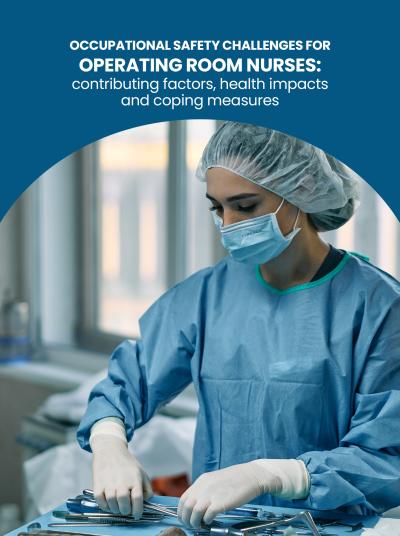
Occupational safety challenges for operating room nurses: contributing factors, health impacts, and coping measures
Keywords:
Operating room nurse, occupational risk factors, health, coping measuresSynopsis
The Monograph is intended to identify occupational risk factors affecting operating room nurses, assess their impact on health complaints, and systematically search for measures to mitigate occupational risk factors affecting operating room nurses. The scientific study is characterised by various research methods, combining quantitative and qualitative research methods. In this way, the Monograph is multidisciplinary, as it integrates the fields of nursing, public health, education, management, and psychology. The Monograph on these issues is the first in Lithuania, as there has not yet been an open discussion of the challenges nurses face in their professional lives. Although the study involved the participation of Lithuanian operating room nurses, the research also discusses the experiences of other countries around the world related to the professional activities of operating room nurses and the risk factors, as well as their impact on health and the mitigation of occupational risk factors.
Chapter 1 outlines the development of the profession of operating room nursing and its links with the development of surgical science. It presents the current view of operating room nursing and the existing practice of training nurses and operating room nurses, focusing on the Lithuanian context.
Chapter 2 describes the concept of occupational risk and the factors such as biological, chemical, ergonomic, physical, and psychosocial. It also analyses the categories of the harm that occupational risks cause to health and provides recommendations for mitigating or preventing risks. This chapter offers statistical facts on occupational riskiness. It focuses on the WHO, the United Nations, the European Union, and the Lithuanian legislation regulating the prevention or mitigation of occupational risk.
Chapter 3 highlights the occupational risks that operating room nurses are exposed to, identifies the occupational risk groups relevant to the profession, specifies the factors involved, and suggests universal measures to prevent or mitigate these factors. It provides a detailed analysis of the findings of the research conducted by various researchers from around the world, revealing the ergonomic, physical, biological, and chemical occupational risk factors affecting operating room nurses, their impact on health, and the practices of mitigating occupational risk factors operating room nurses are exposed to in different countries. The chapter also discusses the challenges of addressing the physiological needs of operating room nurses in relation to the specificity of the profession. It reviews the findings of a multi-country study that point to the possibilities for mitigating or even preventing occupational risks for nurses and their connection with responsible attitudes of operating room nurses themselves, managerial-organisational and cultural factors, as well as the importance of legislation and methodological guidelines.
Chapter 4 presents the methodology of the quantitative study and the psychometric quality of the research instruments, and provides a detailed review of the opinions of Lithuanian operating room nurses who participated in the survey of the expression of occupational risk factors and their impact on health. It also presents statistical calculations showing differences in occupational risk factors by sociodemographic groups and investigates the correlation between occupational risk factors and health complaints. Chapter 4 also introduces the insights of the Lithuanian operating room nurses who participated in the study on the measures and methods to prevent or mitigate occupational risk factors in their work.
Chapter 5 provides the findings of the qualitative study conducted with the participation of nursing management in operating rooms in Lithuanian hospitals. The thematic analysis carried out revealed their attitudes towards the occupational safety of operating room nurses and their assurance.
Chapters
-
Chapter 1 The evolution of the profession of operating room nursing1-10Chapter 2 Systematic mapping of occupational risks11-21Chapter 3 Occupational risk factors affecting operating room nurses and their management.22-57Chapter 4 Occupational risk factors, health issues, and coping measures from the perspective of operating room nurses58-96Chapter 5 Opportunities to ensure occupational safety of operating room nurses as perceived by operating room managers97-109
Downloads
Download data is not yet available.References
Bagheri, M., Torabizadeh, C., Amiri, M., Adelmanesh, Y. (2023). Development and psychometric evaluation of a questionnaire for assessment of exposure to chemical hazards in operating room nurses. Perioperative Care and Operating Room Management, 32, 100334. https://doi.org/10.1016/j.pcorm.2023.100334
Danjuma, A., Adeyeni, A. B., Taiwo, O. A., Micheal, S. N. (2016). Rates and Patterns of Operating Room Hazards among Nigerian Perioperative Nurses. Journal of Perioperative & Critical Intensive Care Nursing, 2 (1). https://doi.org/10.4172/2471-9870.1000106
Nahid, N., Behzad, I., Reza, K. H. (2021). Operating room nurses’ lived experiences of occupational hazards: A phenomenological study. Perioperative Care and Operating Room Management, 25, 100211. https://doi.org/10.1016/j.pcorm.2021.100211
Wheelock, A., Suliman, A., Wharton, R., Babu, E. D., Hull, L., Vincent, C. et al. (2015). The Impact of Operating Room Distractions on Stress, Workload, and Teamwork. Annals of Surgery, 261 (6), 1079–1084. https://doi.org/10.1097/sla.0000000000001051
Soylar, P., Ozer, A. (2018). Evaluation of the prevalence of musculoskeletal disorders in nurses: A systematic review. Medicine Science. International Medical Journal, 7 (3), 479–485. https://doi.org/10.5455/medscience.2017.06.8747
Liu, Y., Song, Y., Hu, X., Yan, L., Zhu, X. (2019). Awareness of surgical smoke hazards and enhancement of surgical smoke prevention among the gynecologists. Journal of Cancer, 10 (12), 2788–2799. https://doi.org/10.7150/jca.31464
Gilat, R., Mitchnik, I., Beit Ner, E., Shohat, N., Tamir, E., Weil, Y. A. et al. (2020). Bacterial contamination of protective lead garments in an operating room setting. Journal of Infection Prevention, 21 (6), 234–240. https://doi.org/10.1177/1757177420947466
Anderson, M., Goldman, R. H. (2020). Occupational Reproductive Hazards for Female Surgeons in the Operating Room. JAMA Surgery, 155 (3), 243–249. https://doi.org/10.1001/jamasurg.2019.5420
Swerdlow, B. N. (2020). Surgical smoke and the anesthesia provider. Journal of Anesthesia, 34 (4), 575–584. https://doi.org/10.1007/s00540-020-02775-x
Martí-Ejarque, M. del M., Guiu Lázaro, G., Juncal, R. C., Pérez Paredes, S., Díez-García, C. (2021). Occupational Diseases and Perceived Health in Operating Room Nurses: A Multicenter Cross-Sectional Observational Study. INQUIRY: The Journal of Health Care Organization, Provision, and Financing, 58. https://doi.org/10.1177/00469580211060774
Roja, Z., Freiberga, P., Kalkis, H. (2022). Muscle Fatigue for the Health Staff in Hospital Operating Unit. Social and Occupational Ergonomics, 65, 54. https://doi.org/10.54941/ahfe1002659
Bevan, V., Blake, P., Radwan, R. N., Azzopardi, E. (2023). Sharps and needlestick injuries within the operating room: Risk prone procedures and prevalence meta-analysis. Journal of Perioperative Practice, 33 (7–8), 200–210. https://doi.org/10.1177/17504589221103810
Mickienė, N., Surgunt, N., Mikaliūkštienė, A. (2024). Operacinėje dirbančių slaugytojų patiriamas stresas ir jį sukeliančių veiksnių analizė. Slauga. Mokslas ir praktika, 5(2-3), 8–16.
Gök, F., Koçbilek, Z. D. (2022). Examination of fatigue levels and factors affecting fatigue in operating room nurses. Perioperative Care and Operating Room Management, 26, 100243. https://doi.org/10.1016/j.pcorm.2022.100243
Patient safety (2019). World Health Organization. Available at: https://www.who.int/news-room/facts-in-pictures/detail/patient-safety
Mcmullan, R. D., Urwin, R., Gates, P., Sunderland, N., Westbrook, J. I. (2021). Are operating room distractions, interruptions and disruptions associated with performance and patient safety? A systematic review and meta-analysis. International Journal for Quality in Health Care, 33 (2). https://doi.org/10.1093/intqhc/mzab068
Babapour, A.-R., Gahassab-Mozaffari, N., Fathnezhad-Kazemi, A. (2022). Nurses’ job stress and its impact on quality of life and caring behaviors: a cross-sectional study. BMC Nursing, 21 (1). https://doi.org/10.1186/s12912-022-00852-y
Braun, V., Clarke, V. (2006). Using thematic analysis in psychology. Qualitative Research in Psychology, 3 (2), 77–101. https://doi.org/10.1191/1478088706qp063oa
Ellis, H., Abdalla, S. (2018). A History of Surgery. CRC Press, 282. https://doi.org/10.1201/9780429461743
Ambroise Paré (2024). Encyclopedia Britannica. Available at: https://www.britannica.com/biography/Ambroise-Pare
Meškauskas, J. (1987). Lietuvos medicinos istorija: medicinos mokslas, gyventojų medicininio ir socialinio aprūpinimo istorinė ir dokumentinė medžiaga. Pasaulio lietuvių gydytojų sąjunga.
Markatos, K., Sardiniari, S., Brilakis, E., Apostolopoulos, I., Tsoucalas, G., Chronopoulos, E. (2019). Jules Pean (1830–1898) – A Pioneer Surgeon: His Achievements and His Total Shoulder Arthroplasty. Surgical Innovation, 26 (6), 763–765. https://doi.org/10.1177/1553350619875303
Schlich, T. (2013). Negotiating Technologies in Surgery: The Controversy about Surgical Gloves in the 1890s. Bulletin of the History of Medicine, 87 (2), 170–197. https://doi.org/10.1353/bhm.2013.0026
Robinson, D. H., Toledo, A. H. (2012). Historical Development of Modern Anesthesia. Journal of Investigative Surgery, 25 (3), 141–149. https://doi.org/10.3109/08941939.2012.690328
Riklikienė, O. (2018). Lietuvos slaugos istorija, 1918–2018. Vilnius: Sveikatos priežiūros ir farmacijos specialistų kompetencijų centras.
Dingwall, R., Rafferty, A. M., Webster, C. (1988). An Introduction to the Social History of Nursing. London: Routledge. https://doi.org/10.4324/9780203403310
Young, P., Hugo, A., Emery, J. D. (2014). Florence Nightingale y la Enfermería en el Hospital Británico. Rev Argent Coloproctología, 25 (1), 34–40. Available at: https://revistasacp.com/anteriores/files/PDF/25_01/SACP_20_01_05_young.pdf
Crane, P. C., Selanders, L. (2017). Surgical Oncology Nursing: Looking Back, Looking Forward. Seminars in Oncology Nursing, 33 (1), 2–8. https://doi.org/10.1016/j.soncn.2016.11.001
Hamlin, L. (2020). From theatre to perioperative: A brief history of early surgical nursing. Journal of Perioperative Nursing, 33 (4). https://doi.org/10.26550/2209-1092.1107
Lathan, S. R. (2010). Caroline Hampton Halsted: The First to Use Rubber Gloves in the Operating Room. Baylor University Medical Center Proceedings, 23 (4), 389–392. https://doi.org/10.1080/08998280.2010.11928658
Karosas, L. M. (2003). The interrupted development of Lithuanian nursing. University of Connecticut. [Doctor Thesis; University of Connecticut]. Available at: https://www.proquest.com/openview/4a0312b43edf33190d797248eed4743a/1?pq-origsite=gscholar&cbl=18750&diss=y
Slaugos istorijos raida Lietuvoje (2014). Tinklaraštis esamiems ir būsimiems slaugytojams. Available at: https://slaugytojams.lt/slaugos-istorija/slaugos-istorijos-raida-lietuvoje/
Malakauskienė, S. (2020). Operacinės slaugytojo profesiniai iššūkiai. Slauga. Mokslas ir praktika, 9 (273), 12–13. Available at: https://www.zurnalai.vu.lt/slauga/article/view/20274
European Operating Room Nurses Association (EORNA). Available at: https://eorna.eu/about-eorna/who-we-are/
Association of periOperative Registered Nurses (AORN). Available at: https://www.aorn.org/about-aorn
Lietuvos operacinės slaugytojų draugija. Available at: https://www.losdraugija.eu/
Wilson, B. (2022). Circulating Nurse Vs Scrub Nurse: What’s The Difference. Available at: https://thenerdynurse.com/circulating-nurse-vs-scrub-nurse-whats-the-difference/
Marcinkevičienė, L., Kutkauskienė, J., Istomina, N. (2023). Operacinės slaugytojo veikla sterilioje ir nesterilioje aplinkoje. Health Sciences, 33 (2), 149–153. https://doi.org/10.35988/sm-hs.2023.066
Saleh, M. A., Wali, M. H., Hassan, O. M., Bayomy, H., Nabil, N. (2020). Occupational Hazards Risk Assessment of Nurses Working in Operating Roms. Egyptian Journal of Occupational Medicine, 44 (3), 793–808. https://doi.org/10.21608/ejom.2020.118360
Lietuvos medicinos norma MN 28:2019 „Bendrosios praktikos slaugytojas”. Lietuvos Respublikos sveikatos apsaugos ministerija. Available at: https://e-seimas.lrs.lt/portal/legalAct/lt/TAD/TAIS.401304/asr
Lietuvos medicinos norma MN 93:2018 „Operacinės slaugytojas”. Lietuvos Respublikos sveikatos apsaugos ministerija. Available at: https://e-seimas.lrs.lt/portal/legalAct/lt/TAD/TAIS.156319/asr
Smagurauskaitė, D. (2024). Respublikinės Vilniaus universitetinės ligoninės informacija. Available at: https://www.rvul.lt/index.php/2024/05/10/operacines-slaugytoja-r-lesniak-virsiliene-esame-siek-tiek-paslaptingi-ir-atsiriboje-stop-linijomis/
Operacinėje dirbanti slaugytoja: mūsų darbe yra tokių aspektų, apie kuriuos su medicina susijęs žmogus nė neįtartų (2021). Delfi informacija. Available at: https://www.delfi.lt/darbas/profesijos/operacineje-dirbanti-slaugytoja-musu-darbe-yra-tokiu-aspektu-apie-kuriuos-su-medicina-susijes-zmogus-ne-neitartu-88199953
Operacinės slaugytoja: „Esame šiek tiek paslaptingi ir atsiriboję „stop” linijomis“ (2024). Vlmedicina. Available at: https://www.vlmedicina.lt/lt/tyrimas-gyventojai-uz-paslaugas-moka-ir-valstybinese-sveikatos-prieziuros-istaigose/operacines-slaugytoja-esame-siek-tiek-paslaptingi-ir-atsiriboje-stop-linijomis
Glaser, B., Schellenberg, T., Neumann, J., Hofer, M., Modemann, S., Dubach, P., Neumuth, T. (2022). Measuring and evaluating standardization of scrub nurse instrument table setups: a multi-center study. International Journal of Computer Assisted Radiology and Surgery, 17 (3), 479–485. https://doi.org/10.1007/s11548-021-02556-1
Neumann, J., Angrick, C., Höhn, C., Zajonz, D., Ghanem, M., Roth, A., Neumuth, T. (2020). Surgical workflow simulation for the design and assessment of operating room setups in orthopedic surgery. BMC Medical Informatics and Decision Making, 20 (1). https://doi.org/10.1186/s12911-020-1086-3
Lietuvos Respublikos darbuotojų saugos ir sveikatos įstatymas: priimta Lietuvos Respublikos Seimo 2003 m. liepos 1 d. Nr. IX-1672 (2003). Valstybės žinios 2003, 70-3170. Available at: https://e-seimas.lrs.lt/portal/legalAct/lt/TAD/TAIS.215253/asr
Dėl profesinės rizikos vertinimo bendrųjų nuostatų patvirtinimo. Lietuvos Respublikos sveikatos apsaugos ministro įsakymas. 2022 m. spalio 25 d. Nr. A1-457/V-961, Vilnius. Available at: https://e-seimas.lrs.lt/portal/legalAct/lt/TAD/TAIS.435935?jfwid=
Healthy diet (2020). World Health Organisation. Available at: https://www.who.int/news-room/fact-sheets/detail/healthy-diet
Wolf, J., Prüss-Ustün, A., Ivanov, I., Mudgal, S., Corvalàn, C., Bos, R., Neira, M. (2018). Preventing disease through a healthier and safer workplace. Geneva: World Health Organization. Available at: https://iris.who.int/bitstream/handle/10665/272980/9789241513777-eng.pdf
AL-Abdallat, E. M., Oqailan, A. M. A., Al Ali, R., Hudaib, A. A., Salameh, G. A. M. (2015). Occupational fatalities in Jordan. Journal of Forensic and Legal Medicine, 29, 25–29. https://doi.org/10.1016/j.jflm.2014.11.001
Informacija apie nelaimingus atsitikimus darbe, įvykusius per 2023 metų I-III ketvirčius (2023). Oficialios statistikos portalas. Lietuvos Respublikos valstybinės darbo inspekcijos prie Socialinės apsaugos ir darbo ministerija Informaciniai pranešimai. Available at: https://vdi.lrv.lt/media/viesa/saugykla/2023/12/ExLb3x-nyfA.pdf
Nafilyan, V., Pawelek, P., Ayoubkhani, D., Rhodes, S., Pembrey, L., Matz, M. et al. (2021). Occupation and COVID-19 mortality in England: a national linked data study of 14.3 million adults. Occupational and Environmental Medicine, 79 (7), 433–441. https://doi.org/10.1136/oemed-2021-107818
Hawkins, D., Davis, L., Kriebel, D. (2021). COVID-19 deaths by occupation, Massachusetts, March 1-July 31, 2020. American Journal of Industrial Medicine, 64 (4), 238–244. https://doi.org/10.1002/ajim.23227
EU strategic framework on health and safety at work 2021–2027. Occupational safety and health in a changing world of work (2021). European Commission. Brussels. Available at: https://eur-lex.europa.eu/legal-content/EN/TXT/?uri=CELEX%3A52021DC0323&qid=1626089672913#PP1Contents
Council Directive 89/391/EEC of 12 June 1989 on the introduction of measures to encourage improvements in the safety and health of workers at work (1989). Official Journal L, 183, 1–8. Available at: https://eur-lex.europa.eu/eli/dir/1989/391/oj
Directive 2009/104/EC of the European Parliament and of the Council of 16 September 2009 concerning the minimum safety and health requirements for the use of work equipment by workers at work (second individual Directive within the meaning of Article 16(1) of Directive 89/391/EEC) (Codified version) (Text with EEA relevance) (2009). Official Journal L, 260, 5–19. Available at: https://eur-lex.europa.eu/eli/dir/2009/104/oj
Directive 2002/44/EC of the European Parliament and of the Council of 25 June 2002 on the minimum health and safety requirements regarding the exposure of workers to the risks arising from physical agents (vibration) (sixteenth individual Directive within the meaning of Article 16(1) of Directive 89/391/EEC) – Joint Statement by the European Parliament and the Council (2002). Official Journal L, 177, 13–20. Available at: https://eur-lex.europa.eu/eli/dir/2002/44/oj
Directive 2003/10/EC of the European Parliament and of the Council of 6 February 2003 on the minimum health and safety requirements regarding the exposure of workers to the risks arising from physical agents (noise) (Seventeenth individual Directive within the meaning of Article 16(1) of Directive 89/391/EEC). Official Journal L, 42, 38–44. Available at: https://eur-lex.europa.eu/eli/dir/2003/10/oj
Directive 2004/37/EC of the European Parliament and of the Council of 29 April 2004 on the protection of workers from the risks related to exposure to carcinogens or mutagens at work (Sixth individual Directive within the meaning of Article 16(1) of Council Directive 89/391/EEC) (codified version) (Text with EEA relevance) (2004). Official Journal L, 158, 50–76. Available at: https://eur-lex.europa.eu/eli/dir/2004/37/oj
Directive 1999/92/EC of the European Parliament and of the Council of 16 December 1999 on minimum requirements for improving the safety and health protection of workers potentially at risk from explosive atmospheres (15th individual Directive within the meaning of Article 16(1) of Directive 89/391/EEC) (1999). Official Journal L, 23, 57–64. Available at: https://eur-lex.europa.eu/eli/dir/1999/92/oj
Directive 2003/88/EC of the European Parliament and of the Council of 4 November 2003 concerning certain aspects of the organisation of working time. Official Journal L, 299, 9–19. Available at: https://eur-lex.europa.eu/eli/dir/2003/88/oj
Council Directive 90/270/EEC of 29 May 1990 on the minimum safety and health requirements for work with display screen equipment (fifth individual Directive within the meaning of Article 16 (1) of Directive 89/391/EEC). Official Journal L, 156, 14–18. Available at: https://eur-lex.europa.eu/eli/dir/1990/270/oj
Directive 2000/54/EC of the European Parliament and of the Council of 18 September 2000 on the protection of workers from risks related to exposure to biological agents at work (seventh individual directive within the meaning of Article 16(1) of Directive 89/391/EEC). Official Journal L, 262, 21–45. Available at: https://eur-lex.europa.eu/eli/dir/2000/54/oj
Council Directive 98/24/EC of 7 April 1998 on the protection of the health and safety of workers from the risks related to chemical agents at work (fourteenth individual Directive within the meaning of Article 16(1) of Directive 89/391/EEC). Official Journal L, 131, 11–23. Available at: https://eur-lex.europa.eu/eli/dir/1998/24/oj
Global strategy on occupational health for all: the way to health at work, recommendation of the Second Meeting of the WHO Collaborating Centres in Occupational Health (1994). Beijing, 252. Available at: https://www.who.int/publications/i/item/WHO-OCH-95.1
WHO global strategy on health, environment and climate change: the transformation needed to improve lives and wellbeing sustainably through healthy environments (2020). World Health Organization, 30. Available at: https://iris.who.int/handle/10665/331959
Transforming our world: the 2030 Agenda for Sustainable Development. SDGs. Available at: https://sdgs.un.org/2030agenda
WHO guidelines on mental health at work (2022). World Health Organization, 134. Available at: https://www.who.int/publications/i/item/9789240053052
Comprehensive Mental Health Action Plan 2013–2030 (2021). World Health Organization, 40. Available at: https://www.who.int/publications/i/item/9789240031029
Working for Health 2022–2030 Action Plan (2022). World Health Organization, 45. Available at: https://www.who.int/publications/i/item/9789240063341
Strategic Approach to International Chemicals Management – SAICM (2020). Available at: https://www.unep.org/resources/factsheet/strategic-approach-international-chemicals-management-saicm
Occupational noise: assessing the burden of disease from work-related hearing impairment at national and local levels (2004). World Health Organization, 40. Available at: https://www.who.int/publications/i/item/9241591927
8 Decent work and economic growth. The United Nations Sustainable Development Goals. Available at: https://www.un.org/sustainabledevelopment/economic-growth/
C190 – Violence and Harassment Convention, 2019 (No. 190) (2019). Available at: https://normlex.ilo.org/dyn/nrmlx_en/f?p=NORMLEXPUB:12100:0::NO::P12100_ILO_CODE:C190
Lietuvos Respublikos darbo kodekso patvirtinimo, įsigaliojimo ir įgyvendinimo įstatymas. 2002 m. birželio 4 d. Nr. IX-926 (2002). Galiojanti redakcija 2024, Lietuvos Respublikos Seimas. Vilnius. Available at: https://e-seimas.lrs.lt/portal/legalAct/lt/TAD/TAIS.215253
Lietuvos Respublikos darbuotojų saugos ir sveikatos komisija (DSSK). Lietuvos Respublikos Vyriausybė. Galiojanti redakcija 2022. https://socmin.lrv.lt/lt/administracine-informacija/tarybos-ir-komisijos/darbuotoju-saugos-ir-sveikatos-komisija/
Occupational safety and health in Europe: state and trends 2023 (2023). European Agency for Safety and Health at Work. Available at: https://osha.europa.eu/sites/default/files/Summary_OSH_in_Europe_state_trends.pdf
Memarbashi, E., Mohammadizadeh, F., Boroujeny, Z. A., Lotfi, M., Khodayari, M. T., Nasiri, E., Akhuleh, O. Z. (2021). The relationship between nurses’ safety climate in the operating room and occupational injuries: A predictive correlational study. Perioperative Care and Operating Room Management, 24, 100206. https://doi.org/10.1016/j.pcorm.2021.100206
Letvak, S., Apple, B., Jenkins, M., Doss, C., McCoy, T. P. (2023). At Risk Safety Behaviors of the Perioperative Nursing Team: A Direct Observational Study. Healthcare, 11 (5), 698. https://doi.org/10.3390/healthcare11050698
Nurse, operating room: International Hazard Datasheets on Occupation (2012). International Labour Organization. Available at: https://www.ilo.org/publications/nurse-operating-room-international-hazard-datasheets-occupation
Asmens sveikatos priežiūros įstaigų darbuotojų profesinio nuovargio mažinimo gairės (2024). Higienos instituto Profesinės sveikatos centras. Lietuvos Higienos institutas. Available at: https://www.hi.lt/uploads/Products/product_401/Profesinio_nuovargio_mazinimo_gaires_ASPI_2024.pdf
Wåhlin, C., Kvarnström, S., Öhrn, A., Nilsing Strid, E. (2019). Patient and healthcare worker safety risks and injuries. Learning from incident reporting. European Journal of Physiotherapy, 22 (1), 44–50. https://doi.org/10.1080/21679169.2018.1549594
Hulshof, C. T. J., Pega, F., Neupane, S., van der Molen, H. F., Colosio, C., Daams, J. G. et al. (2021). The prevalence of occupational exposure to ergonomic risk factors: A systematic review and meta-analysis from the WHO/ILO Joint Estimates of the Work-related Burden of Disease and Injury. Environment International, 146, 106157. https://doi.org/10.1016/j.envint.2020.106157
Shaw, W. S., Roelofs, C., Punnett, L. (2020). Work Environment Factors and Prevention of Opioid-Related Deaths. American Journal of Public Health, 110 (8), 1235–1241. https://doi.org/10.2105/ajph.2020.305716
Barrios, E. L., Polcz, V. E., Hensley, S. E., Sarosi, G. A., Mohr, A. M., Loftus, T. J. et al. (2023). A narrative review of ergonomic problems, principles, and potential solutions in surgical operations. Surgery, 174 (2), 214–221. https://doi.org/10.1016/j.surg.2023.04.003
Liu, F., Jia, N., Wu, C., Sun, J., Li, G., Zhang, H. et al. (2023). The association between adverse ergonomic factors and work-related musculoskeletal symptoms among medical staff in China: a cross-sectional study. Ergonomics, 66 (12), 2212–2222. https://doi.org/10.1080/00140139.2023.2193868
Gerbrands, A., Albayrak, A., Kazemier, G. (2004). Ergonomic evaluation of the work area of the scrub nurse. Minimally Invasive Therapy & Allied Technologies, 13 (3), 142–146. https://doi.org/10.1080/13645700410033184
Tamminen-Peter, L., Nygren, K. (2019). Development of an education scheme for improving perioperative nurses’ competence in ergonomics. Work, 64 (3), 661–667. https://doi.org/10.3233/wor-193002
Merisalu, E., Animägi, L., Oha, K., Freimann, T., Sirk, T. (2016). Job-Specific Factors and Prevalence of Multiple and Disabling Musculoskeletal Pain Among Office Workers, Nurses, and Caregivers in Estonia. Proceedings of the Latvian Academy of Sciences. Section B. Natural, Exact, and Applied Sciences., 70 (5), 286–293. https://doi.org/10.1515/prolas-2016-0044
Clari, M., Garzaro, G., Di Maso, M., Donato, F., Godono, A., Paleologo, M. et al. (2019). Upper Limb Work-Related Musculoskeletal Disorders in Operating Room Nurses: A Multicenter Cross-Sectional Study. International Journal of Environmental Research and Public Health, 16 (16), 2844. https://doi.org/10.3390/ijerph16162844
Soueid, A., Oudit, D., Thiagarajah, S., Laitung, G. (2010). The pain of surgery: Pain experienced by surgeons while operating. International Journal of Surgery, 8 (2), 118–120. https://doi.org/10.1016/j.ijsu.2009.11.008
Abdollahi, T., Pedram Razi, S., Pahlevan, D., Yekaninejad, M. S., Amaniyan, S., Leibold Sieloff, C., Vaismoradi, M. (2020). Effect of an Ergonomics Educational Program on Musculoskeletal Disorders in Nursing Staff Working in the Operating Room: A Quasi-Randomized Controlled Clinical Trial. International Journal of Environmental Research and Public Health, 17 (19), 7333. https://doi.org/10.3390/ijerph17197333
Dairywala, M. I., Gupta, S., Salna, M., Nguyen, T. C. (2022). Surgeon Strength: Ergonomics and Strength Training in Cardiothoracic Surgery. Seminars in Thoracic and Cardiovascular Surgery, 34 (4), 1220–1229. https://doi.org/10.1053/j.semtcvs.2021.09.015
Cha, J. S., Monfared, S., Stefanidis, D., Nussbaum, M. A., Yu, D. (2019). Supporting Surgical Teams: Identifying Needs and Barriers for Exoskeleton Implementation in the Operating Room. Human Factors: The Journal of the Human Factors and Ergonomics Society, 62 (3), 377–390. https://doi.org/10.1177/0018720819879271
Katz, J. D. (2017). Control of the Environment in the Operating Room. Anesthesia & Analgesia, 125 (4), 1214–1218. https://doi.org/10.1213/ane.0000000000001626
Wu, K., Yang, X., Dai, H. (2021). Risks Faced by Nurses and Mitigation Strategies for the Daytime Operating Room: A Review. Alternative Therapies in Health & Medicine, 27 (4), 34–40.
Drebit, S., Shajari, S., Alamgir, H., Yu, S., Keen, D. (2010). Occupational and environmental risk factors for falls among workers in the healthcare sector. Ergonomics, 53 (4), 525–536. https://doi.org/10.1080/00140130903528178
Uğurlu, Z., Karahan, A., Ünlü, H., Abbasoğlu, A., Özhan Elbaş, N., Avcı Işık, S., Tepe, A. (2015). The Effects of Workload and Working Conditions on Operating Room Nurses and Technicians. Workplace Health & Safety, 63 (9), 399–407. https://doi.org/10.1177/2165079915592281
Global strategy on diet, physical activity and health (2004). Geneva: World Health Organization, 18. Available at: https://www.who.int/publications/i/item/9241592222
Zumeras, R., Žernienė, A., Vitkauskienė, E. (2020). Bendrosios fizinio aktyvumo rekomendacijos visoms amžiaus grupėms. Sveikatos mokymo ir ligų prevencijos centras. Available at: https://sam.lrv.lt/uploads/sam/documents/files/BENDROSIOS_FA_REKOMENDACIJOS_pap_%20vaik%C5%B3%20fa%20rekomendacijomis%20(1).pdf
Leridis, I., Matsouka, O., Bebetsos, E., Kosta, G. (2023). effect of physical activity on the quality of life of emergency room nurses working in public hospitals. Scientific Journal of Sport and Performance, 2 (2), 236–246. https://doi.org/10.55860/qtxu6667
Parry, D., Oeppen, R. S., Gass, H., Brennan, P. A. (2017). Impact of hydration and nutrition on personal performance in the clinical workplace. British Journal of Oral and Maxillofacial Surgery, 55 (10), 995–998. https://doi.org/10.1016/j.bjoms.2017.10.017
Hwang, B. Y., Mampre, D., Boesch, J. R., Huang, J., Anderson, W. S. (2021). Total Fasting and Dehydration in the Operating Room: How Can Surgeons Survive and Thrive? Journal of Surgical Education, 78 (4), 1295–1304. https://doi.org/10.1016/j.jsurg.2020.12.018
Horton Dias, C., Dawson, R. M. (2020). Hospital and Shift Work Influences on Nurses’ Dietary Behaviors: A Qualitative Study. Workplace Health & Safety, 68 (8), 374–383. https://doi.org/10.1177/2165079919890351
Nicholls, R., Perry, L., Duffield, C., Gallagher, R., Pierce, H. (2016). Barriers and facilitators to healthy eating for nurses in the workplace: an integrative review. Journal of Advanced Nursing, 73 (5), 1051–1065. https://doi.org/10.1111/jan.13185
Lietuvos higienos normos HN 47-1:2020. Asmens sveikatos priežiūros įstaigos: infekcijų kontrolės reikalavimai (2020). Galiojanti suvestinė redakcija (nuo 2022). Available at: https://e-seimas.lrs.lt/portal/legalAct/lt/TAD/TAIS.435637/asr
Phillips, N. (2016). Berry & Kohn’s operating room technique. Elsevier Health Sciences.
Ramar, K., Malhotra, R. K., Carden, K. A., Martin, J. L., Abbasi-Feinberg, F., Aurora, R. N. et al. (2021). Sleep is essential to health: an American Academy of Sleep Medicine position statement. Journal of Clinical Sleep Medicine, 17 (10), 2115–2119. https://doi.org/10.5664/jcsm.9476
Zhang, C., Tait, C., Minacapelli, C. D., Bhurwal, A., Gupta, K., Amin, R., Rustgi, V. K. (2022). The Role of Race, Sex, and Age in Circadian Disruption and Metabolic Disorders. Gastro Hep Advances, 1 (3), 471–479. https://doi.org/10.1016/j.gastha.2022.02.015
Hannani, S., Rezagholy, P., Ziba, F. N., Azadi, N. A. (2018). Relationship between sleep quality with job stress and quality of life of operating room technologists working in university hospitals affiliated to Iran University of Medical Sciences in 2016-17. Pharmacophore, 9 (2), 103–108. Available at: https://pharmacophorejournal.com/bXZT8IS
Akansel, N., Akansel, M., Yanik, H. B. S. N. R. N. (2019). Association of organisational stress with fatigue in operating room nurses. International Journal of Caring Sciences, 12 (2), 627–638. Available at: https://internationaljournalofcaringsciences.org/docs/5_akansel_original_12_2.pdf
Han, Y., Yuan, Y., Zhang, L., Fu, Y. (2016). Sleep disorder status of nurses in general hospitals and its influencing factors. Psychiatria Danubina, 28 (2), 176–183. Available at: https://hrcak.srce.hr/file/258835
Sagherian, K., McNeely, C., Cho, H., Steege, L. M. (2023). Nurses’ Rest Breaks and Fatigue: The Roles of Psychological Detachment and Workload. Western Journal of Nursing Research, 45 (10), 885–893. https://doi.org/10.1177/01939459231189787
Jiang, Z., Wang, J., Guo, X., Feng, L., Yu, M., Zhou, J. et al. (2019). Menstrual disorders and occupational exposures among female nurses: A nationwide cross-sectional study. International Journal of Nursing Studies, 95, 49–55. https://doi.org/10.1016/j.ijnurstu.2019.04.010
Mayama, M., Umazume, T., Watari, H., Nishiguchi, S., Moromizato, T., Watari, T. (2020). Frequency of night shift and menstrual cycle characteristics in Japanese nurses working under two or three rotating shifts. Journal of Occupational Health, 62 (1). https://doi.org/10.1002/1348-9585.12180
Kim, M., Kim, J.-H., Jung, Y. W., Seong, S. J., Kim, S., Yoon, H.-J. et al. (2022). Gynecologic problems and healthcare behavior by shift patterns in Korean nursing staff. PLOS ONE, 17 (11), e0276282. https://doi.org/10.1371/journal.pone.0276282
Yu, S.-C., Hsu, H.-P., Guo, J.-L., Chen, S.-F., Huang, S.-H., Chen, Y.-C., Huang, C.-M. (2021). Exploration of the experiences of working stressors and coping strategies associated with menstrual symptoms among nurses with shifting schedules: a Q methodology investigation. BMC Nursing, 20 (1). https://doi.org/10.1186/s12912-021-00759-0
Bhavya, H. U. (2018). Knowledge, attitude and practice of menstrual hygiene among nursing students in a rural medical college. International Journal of Clinical Obstetrics and Gynaecology, 2 (1), 95–98. https://doi.org/10.33545/gynae.2018.v2.i1b.1095
Michaelis, M., Hofmann, F. M., Nienhaus, A., Eickmann, U. (2020). Surgical Smoke – Hazard Perceptions and Protective Measures in German Operating Rooms. International Journal of Environmental Research and Public Health, 17 (2), 515. https://doi.org/10.3390/ijerph17020515
Hill, D. S., O’Neill, J. K., Powell, R. J., Oliver, D. W. (2012). Surgical smoke – A health hazard in the operating theatre: A study to quantify exposure and a survey of the use of smoke extractor systems in UK plastic surgery units. Journal of Plastic, Reconstructive & Aesthetic Surgery, 65 (7), 911–916. https://doi.org/10.1016/j.bjps.2012.02.012
Okoshi, K., Kobayashi, K., Kinoshita, K., Tomizawa, Y., Hasegawa, S., Sakai, Y. (2014). Health risks associated with exposure to surgical smoke for surgeons and operation room personnel. Surgery Today, 45 (8), 957–965. https://doi.org/10.1007/s00595-014-1085-z
Bree, K., Barnhill, S., Rundell, W. (2017). The Dangers of Electrosurgical Smoke to Operating Room Personnel: A Review. Workplace Health & Safety, 65 (11), 517–526. https://doi.org/10.1177/2165079917691063
Aygin, D., Usta, E., Bozdemir, H., Uçar, N. (2018). Investigation of Preventive Practices for Surgical Fires and Burns in the Operating Rooms of Four Tertiary Hospitals. Florence Nightingale Hemşirelik Dergisi, 169–178. https://doi.org/10.26650/fnjn375358
Chiou, S.-T., Chiang, J.-H., Huang, N., Wu, C.-H., Chien, L.-Y. (2013). Health issues among nurses in Taiwanese hospitals: National survey. International Journal of Nursing Studies, 50 (10), 1377–1384. https://doi.org/10.1016/j.ijnurstu.2013.01.012
Frane, N., Bitterman, A. (2020). Radiation safety and protection. Study Guide from StatPearls Publishing, Treasure Island. Available at: https://europepmc.org/article/NBK/nbk557499
Gowda, S. R., Mitchell, C. J., Abouel-Enin, S., Lewis, C. (2018). Radiation risk amongst orthopaedic surgeons – Do we know the risk? Journal of Perioperative Practice, 29 (5), 115–121. https://doi.org/10.1177/1750458918785268
Diğin, F. (2019). Risk Management of Operating Room Nurses in Occupational Health and Safety. Recent Studies in Health Sciences, 703.
Bagheri Hosseinabadi, M., Khanjani, N., Etemadinezhad, S., Samaei, S. E., Raadabadi, M., Mostafaee, M. (2018). The associations of workload, individual and organisational factors on nurses’ occupational injuries. Journal of Clinical Nursing, 28 (5-6), 902–911. https://doi.org/10.1111/jocn.14699
Hao, Y., Shi, J. (2023). Occupational Protection Interventions for Nursing Staff in the Operating Theatre. Jyväskylä: Jamk University of Applied Sciences, 57. Available at: https://urn.fi/URN:NBN:fi:amk-2023052413700
Bahat, H., Hasidov-gafni, A., Youngster, I., Goldman, M., Levtzion-korach, O. (2021). The prevalence and underreporting of needlestick injuries among hospital workers: a cross-sectional study. International Journal for Quality in Health Care, 33 (1). https://doi.org/10.1093/intqhc/mzab009
Asfour, H. I., Tayyib, N. A., Lindsay, G., Alsolami, F. J., Alshmemri, M. S. (2021). Sharp injuries and their relationship with stress among nurses working in acute care settings. Nursing in Critical Care, 26 (4), 274–281. https://doi.org/10.1111/nicc.12595
Surgunt, N., Kriukelytė, D. (2015). Operacinės slaugytojų profesinių susižeidimų adatomis ir kitais aštriais instrumentais dažnumo ir pobūdžio vertinimas. Socialinė sveikata=Social health. Utena: VšĮ Reabilitacijos technika, 1 (3), 140–149. Available at: https://lsmu.lt/cris/handle/20.500.12512/92678
Bogani, G., Ditto, A., De Cecco, L., Lopez, S., Guerrisi, R., Piccioni, F. et al. (2021). Transmission of SARS-CoV-2 in Surgical Smoke during Laparoscopy: A Prospective, Proof-of-concept Study. Journal of Minimally Invasive Gynecology, 28 (8), 1519–1525. https://doi.org/10.1016/j.jmig.2020.12.026
Mowbray, N. G., Ansell, J., Horwood, J., Cornish, J., Rizkallah, P., Parker, A. et al. (2020). Safe management of surgical smoke in the age of COVID-19. British Journal of Surgery, 107 (11), 1406–1413. https://doi.org/10.1002/bjs.11679
Fox-Lewis, A., Allum, C., Vokes, D., Roberts, S. (2020). Human papillomavirus and surgical smoke: a systematic review. Occupational and Environmental Medicine, 77 (12), 809–817. https://doi.org/10.1136/oemed-2019-106333
Hu, X., Zhou, Q., Yu, J., Wang, J., Tu, Q., Zhu, X. (2020). Prevalence of HPV infections in surgical smoke exposed gynecologists. International Archives of Occupational and Environmental Health, 94 (1), 107–115. https://doi.org/10.1007/s00420-020-01568-9
Merajikhah, A., Imani, B., Khazaei, S., Bouraghi, H. (2022). Impact of Surgical Smoke on the Surgical Team and Operating Room Nurses and its Reduction Strategies: A Systematic Review. Iranian Journal of Public Health, 51 (1). https://doi.org/10.18502/ijph.v51i1.8289
Spruce, L. (2016). Back to Basics: Preventing Perioperative Pressure Injuries. AORN Journal, 105 (1), 92–99. https://doi.org/10.1016/j.aorn.2016.10.018
Nacionalinė sveikatos priežiūros laboratorija. Available at: https://nvspl.lt/news/darbe-tykantys-pavojai-chemines-medziagos
Aranke, M., Moheimani, R., Phuphanich, M., Kaye, A. D., Ngo, A. L., Viswanath, O., Herman, J. (2021). Disinfectants In Interventional Practices. Current Pain and Headache Reports, 25 (4). https://doi.org/10.1007/s11916-021-00938-3
Moradi Majd, P., Seyedin, H., Bagheri, H., Tavakoli, N. (2019). Hospital Preparedness Plans for Chemical Incidents and Threats: A Systematic Review. Disaster Medicine and Public Health Preparedness, 14 (4), 477–485. https://doi.org/10.1017/dmp.2019.91
Bhusnure, O. G., Dongare, R. B., Gholve, S. B., Giram, P. S. (2018). Chemical hazards and safety management in pharmaceutical industry. Journal of Pharmacy Research, 12 (3), 357–369.
Oliveira, L. A., P. El Dib, R., Figueiredo, D. B. S., Braz, L. G., Braz, M. G. (2021). Spontaneous abortion in women occupationally exposed to inhalational anesthetics: a critical systematic review. Environmental Science and Pollution Research, 28 (9), 10436–10449. https://doi.org/10.1007/s11356-020-11684-1
Stoskute, L., Dubakiene, R., Glumbakaite, E. (2004). P51 Occupational contact dermatitis among operating room nurses. Contact Dermatitis, 50 (3), 196–197. Portico. https://doi.org/10.1111/j.0105-1873.2004.0309gg.x
Tomaszewska, K., Majchrowicz, B. (2022). Harmful factors at the workplace of an operating nurse. Journal of Education, Health and Sport, 12 (7), 286–300. https://doi.org/10.12775/jehs.2022.12.07.028
Carneiro, P., Braga, A. C., Cabuço, R. (2019). Professionals working in operating rooms: A characterization of biological and chemical risks. Work, 64 (4), 869–876. https://doi.org/10.3233/wor-193027
Adamonienė, D., Kaziukonienė, D. (2012). Cheminių medžiagų poveikio darbuotojų sveikatai vertinimo praktinės rekomendacijos. Vilnius: Higienos institutas. Available at: https://www.hi.lt/leidinys-57/metodines-rekomendacijos/kitos-temos/cheminiu-medziagu-poveikio-darbuotoju-sveikatai-vertinimo-praktines-rekomendacijos2/
Meng, C., Wang, W., Hao, Z., Liu, H. (2020). Investigation on the influence of isolated environment on human psychological and physiological health. Science of The Total Environment, 716, 136972. https://doi.org/10.1016/j.scitotenv.2020.136972
Golvani, J., Roos, L., Henricson, M. (2021). Operating room nurses’ experiences of limited access to daylight in the workplace – a qualitative interview study. BMC Nursing, 20 (1). https://doi.org/10.1186/s12912-021-00751-8
Noise (2011). Word Health Organization. Available at: https://www.who.int/europe/news-room/fact-sheets/item/noise
Arabacı, A., Önler, E. (2021). The Effect of Noise Levels in the Operating Room on the Stress Levels and Workload of the Operating Room Team. Journal of PeriAnesthesia Nursing, 36 (1), 54–58. https://doi.org/10.1016/j.jopan.2020.06.024
Asadi Fakhr, A., Asadi, S. (2017). Investigation of the amount of stressors in operating room nurses. Pajouhan Scientific Journal, 15 (2), 27–31. Available at: https://psj.umsha.ac.ir/article-1-342-en.html
Sami, A., Waseem, H., Nourah, A., Areej, A., Afnan, A., Ghadeer, A.-S., Abdulaziz, A., Arthur, I. (2012). Real-time observations of stressful events in the operating room. Saudi Journal of Anaesthesia, 6 (2), 136–139. https://doi.org/10.4103/1658-354x.97026
Naviaux, A.-F., Rigot, A., Janne, P., Gourdin, M. (2022). Understanding stress factors for scrub nurses in the perioperative period: A cross-sectional survey. Journal of Visceral Surgery, 159 (4), 273–278. https://doi.org/10.1016/j.jviscsurg.2021.06.010
Sonoda, Y., Onozuka, D., Hagihara, A. (2017). Factors related to teamwork performance and stress of operating room nurses. Journal of Nursing Management, 26 (1), 66–73. https://doi.org/10.1111/jonm.12522
Marien, P., Michel, G. (2015). L’Inventaire de stress professionnel adapté aux Métiers de l’Urgence et corrélats psychopathologiques. Annales Médico-Psychologiques, Revue Psychiatrique, 173 (8), 704–710. https://doi.org/10.1016/j.amp.2015.07.028
Freudenberger, H. J. (1975). The staff burn-out syndrome in alternative institutions. Psychotherapy: Theory, Research & Practice, 12 (1), 73–82. https://doi.org/10.1037/h0086411
De Hert, S. (2020). Burnout in Healthcare Workers: Prevalence, Impact and Preventative Strategies. Local and Regional Anesthesia, 13, 171–183. https://doi.org/10.2147/lra.s240564
Teymoori, E., Zareiyan, A., Babajani-Vafsi, S., Laripour, R. (2022). Viewpoint of operating room nurses about factors associated with the occupational burnout: A qualitative study. Frontiers in Psychology, 13. https://doi.org/10.3389/fpsyg.2022.947189
McElroy, C., Skegg, E., Mudgway, M., Murray, N., Holmes, L., Weller, J., Hamill, J. (2024). Psychological Safety and Hierarchy in Operating Room Debriefing: Reflexive Thematic Analysis. Journal of Surgical Research, 295, 567–573. https://doi.org/10.1016/j.jss.2023.11.054
Narayanan, A., Pearson, L., Fisher, J. P., Khashram, M. (2022). The effect of background music on stress in the operating surgeon: scoping review. BJS Open, 6 (5). https://doi.org/10.1093/bjsopen/zrac112
Kazimėnienė, A., Grigaliūnienė, V. (2015). Operacinės slaugytojų patiriamo streso raiška: streso teorijos ir A ir B tipo asmenybės teorijos teiginiai. Slauga. Mokslas ir praktika. Vilnius: Slaugos darbuotojų tobulinimosi ir specializacijos centras, 1 (217), 4–6.
Žydžiūnaitė V. (2005). Komandinio darbo kompetencijos ir jų tyrimo metodologija: slaugytojų veiklos požiūriu. Kaunas: Judex, 399.
Silen-Lipponen, M., Tossavainen, K., Turunen, H., Smith, A., Burdett, K. (2004). Teamwork in operating-room nursing as experienced by Finnish, British and American nurses. Diversity and Equality in Health and Care, 1 (1). Available at: https://www.primescholars.com/articles/teamwork-in-operatingroom-nursing-as-experienced-by-finnish-british-and-american-nurses.pdf
Sydor, D. T., Bould, M. D., Naik, V. N., Burjorjee, J., Arzola, C., Hayter, M., Friedman, Z. (2013). Challenging authority during a life-threatening crisis: the effect of operating theatre hierarchy. British Journal of Anaesthesia, 110 (3), 463–471. https://doi.org/10.1093/bja/aes396
Ballou, K. A., Landreneau, K. J. (2010). The Authoritarian Reign in American Health Care. Policy, Politics, & Nursing Practice, 11 (1), 71–79. https://doi.org/10.1177/1527154410372973
Richter, J., Eisemann, M., Zgonnikova, E. (2001). Doctors’ authoritarianism in end-of-life treatment decisions. A comparison between Russia, Sweden and Germany. Journal of Medical Ethics, 27 (3), 186–191. https://doi.org/10.1136/jme.27.3.186
Park, J. Y. (2018). The Current State of Medical Error in South Korea. Scholar Journal of Applied Sciences and Research, 1 (4), 28–33. Available at: https://innovationinfo.org/articles/SJASR-4-138.pdf
Pociūtė, L., Zagurskienė, D. (2013). Evaluation of Operating Nurses Job Satisfaction. Sveikatos mokslai/Health Sciences, 23 (4 (89)), 94–98. https://doi.org/10.5200/sm-hs.2013.098
Istomina, N., Šakienė, L., Bagdonas, R., Bakaitė, I. (2013). Komandinio darbo operacinėje efektyvumo vertinimas operacinės komandos narių požiūriu. Sveikatos Mokslai, 23 (1), 155–160. https://doi.org/10.5200/sm-hs.2013.028
Jerdiakova, N., Mikaliūkštienė, A., Kalibatienė, D. (2016). Operacinės komandos narių požiūris į komandinį darbą ir saugos klimatą operacinėje. Medicinos teorija ir praktika, 22 (4), 301–308. https://doi.org/10.15591/mtp.2016.049
Danilevičius, A., Kielė, V., Urbanavičė, R. (2022). Komandinio darbo iššūkiai, atliekant akių operacijas. Health Sciences, 32 (2), 143–148. https://doi.org/10.35988/sm-hs.2022.067
American Music Therapy Association. History of Music Therapy. Available at: https://www.musictherapy.org/about/amta_archives/
Campbell, D. (2005). Mozarto muzikos poveikis. Vilties Oazė. Vilnius.
Piščalkienė, V. (2016). Pooperacinio skausmo raiška ir nemedikamentinių priemonių taikymo galimybės. Mokslo taikomieji tyrimai Lietuvos kolegijose, 1 (11). Abvailable at: https://ojs.kaunokolegija.lt/index.php/mttlk/article/view/10
Kacem, I., Kahloul, M., El Arem, S., Ayachi, S., Hafsia, M., Maoua, M. et al. (2020). Effects of music therapy on occupational stress and burn-out risk of operating room staff. Libyan Journal of Medicine, 15 (1). Abvailable at: https://www.ajol.info/index.php/ljm/article/view/215416
Rubbi, I., Roveri, A., Pasquinelli, G., Cadas, C., Carvello, M., Lupo, R. et al. (2024). Can Music Reduce Stress and Anxiety in the Operating Room Team? Insights from a Cross-Sectional Study in Northern Italy Healthcare Services. Nursing Reports, 14 (2), 1079–1088. https://doi.org/10.3390/nursrep14020082
Weldon, S., Korkiakangas, T., Bezemer, J., Kneebone, R. (2015). Music and communication in the operating theatre. Journal of Advanced Nursing, 71 (12), 2763–2774. https://doi.org/10.1111/jan.12744
Cheriyan, S., Mowery, H., Ruckle, D., Keheila, M., Myklak, K., Alsyouf, M. et al. (2016). The Impact of Operating Room Noise Upon Communication During Percutaneous Nephrostolithotomy. Journal of Endourology, 30 (10), 1062–1066. https://doi.org/10.1089/end.2016.0498
Piščalkienė, V., Stasiūnaitienė, E. (2013). Slaugos praktikos vertinimas reflektuojant: studentų požiūris. Sveikatos Mokslai, 23 (4), 114–118. https://doi.org/10.5200/sm-hs.2013.101
Manser, T. (2009). Teamwork and patient safety in dynamic domains of healthcare: a review of the literature. Acta Anaesthesiologica Scandinavica, 53 (2), 143–151. https://doi.org/10.1111/j.1399-6576.2008.01717.x
Agency for Healthcare Research and Quality. Available at: https://www.ahrq.gov/teamstepps-program/index.html
Huang, Y., Ke, Y., Zhu, H., Gao, Y., Wu, D., Cai, Q., Guo, J. (2021). Effect of Cognitive Behavioral Intervention on Stress Response of Nurses with PTSD in Operating Room. World Journal of Neuroscience, 11 (1), 8–16. https://doi.org/10.4236/wjns.2021.111002
Riley, R. H. (Ed.) (2008). Manual of simulation in healthcare. Oxford University Press. https://doi.org/10.1093/oso/9780199205851.001.0001
Sawyer, T., Fleegler, M. B., Eppich, W. J.; Grant, V., Cheng, A. (Eds.) (2016). Essentials of Debriefing and Feedback. Comprehensive Healthcare Simulation: Pediatrics. Cham: Springer, 31–42. https://doi.org/10.1007/978-3-319-24187-6_3
Abulebda, K., Auerbach, M., Limaiem, F. (2023). Debriefing Techniques Utilized in Medical Simulation. Treasure Island: StatPearls Publishing. Available at: https://europepmc.org/article/NBK/nbk546660
Liaw, S. Y., Ooi, S. W., Rusli, K. D. B., Lau, T. C., Tam, W. W. S., Chua, W. L. (2020). Nurse-Physician Communication Team Training in Virtual Reality Versus Live Simulations: Randomized Controlled Trial on Team Communication and Teamwork Attitudes. Journal of Medical Internet Research, 22 (4), e17279. https://doi.org/10.2196/17279
Čekanavičius, V., Murauskas, G. (2004). Statistika ir jos taikymai. II knyga. Vilnius: TEV.
Haydon, G., Browne, G., van der Riet, P. (2018). Narrative inquiry as a research methodology exploring person centred care in nursing. Collegian, 25 (1), 125–129. https://doi.org/10.1016/j.colegn.2017.03.001
Nowell, L. S., Norris, J. M., White, D. E., Moules, N. J. (2017). Thematic Analysis. International Journal of Qualitative Methods, 16 (1). https://doi.org/10.1177/1609406917733847
Braun, V., Clarke, V. (2019). Novel insights into patients’ life-worlds: the value of qualitative research. The Lancet Psychiatry, 6 (9), 720–721. https://doi.org/10.1016/s2215-0366(19)30296-2
Seo, Y.-E., Lee, O., Lee, S. J. (2024). The Impact of Operating Room Nurses’ Attitudes toward Wearing Personal Protective Equipment, Physical Discomfort, and Obsession with COVID-19 on Perceived Psychosocial Stress during the COVID-19 Pandemic: A Cross-sectional Study. Korean Journal of Adult Nursing, 36 (2), 136–145. https://doi.org/10.7475/kjan.2024.36.2.136
Kwiecień-Jaguś, K., Lach, D., Piotrkowska, R., Mędrzycka-Dąbrowska, W., Kopeć, M. (2022). Analysis of Sleep Disorder Occurrence among Anaesthesiology Nurses Employed in Operating Theatres and Intensive Therapy Wards – a Prospective, Comparative Study Design using the Athens Insomnia Scale. The Journal of Neurological and Neurosurgical Nursing, 11 (3), 105–113. https://doi.org/10.15225/pnn.2022.11.3.2
Chung, Y., Kim, H., Koh, D.-H., Park, J.-H., Yoon, S. (2021). Relationship Between Shift Intensity and Insomnia Among Hospital Nurses in Korea: A Cross-sectional Study. Journal of Preventive Medicine and Public Health, 54 (1), 46–54. https://doi.org/10.3961/jpmph.20.555
Published
June 4, 2025Series
Categories
Copyright (c) 2025 Viktorija Piščalkienė, Erika JuškauskienėDetails about the available publication format: PDF
PDFISBN-13 (15)
978-9916-9850-8-3How to Cite
Piščalkienė, V., & Juškauskienė, E. (2025). Occupational safety challenges for operating room nurses: contributing factors, health impacts, and coping measures. Scientific Route OÜ®. https://doi.org/10.21303/978-9916-9850-8-3